Tennis screening
What this is
An orthopaedic functional analysis of the body for stability, mobility and flexibility, aligned to the movement chain that carries the serve. We see where rotation is missing and which area is making up for it. That is exactly where the next overload develops.

What is examined
What you get
A clear explanation of your results, an interpretation of the points that stand out, and a concrete programme, either to train on your own or as supervised athletic training with us.
Questions about this
Frequently asked
When is the best time?
Before the season starts, after a longer break, or when the same complaint keeps returning. It also makes sense after a change of racket or technique.
How long does a tennis screening take?
Ninety minutes, and it is an appointment in its own right. We need that time to examine you properly, to go through what we found with you, and to turn it into a plan you can take away.
Is this only for tournament players?
No. Anyone who plays regularly benefits just as much, often more, because recreational players train in a structured way less often and so load one side more frequently.
What does the screening cost?
The screening is a self-pay service. What it costs depends on the scope we agree together, we go through that with you in the initial consultation, before an appointment is booked.
Related
What patients often look for here as well
Hamburg's tennis practice
Yannick Lambrecht has worked as a physiotherapist on the ATP Tour since 2014. That work has grown into a focus of its own: tennis screening, injury prevention, shoulder and elbow rehabilitation, athletic training and the return to competition. For tournament players and for Saturday mornings at the club alike.
→ServiceFunctional Assessment
A structured examination of your body for stability, mobility and flexibility, not at a single joint, but across the whole movement chain. We see which areas are doing work that really belongs elsewhere. That is exactly where overload develops, often long before it hurts.
→ServiceAthletic training
Athletic training makes you more resilient, faster and more resistant to injury. It is built around the movement patterns of your sport, not around a machine, and it starts with an assessment, not an off-the-shelf plan.
→ClinicShoulder clinic in Hamburg
The shoulder is the most mobile joint in the body and is guided almost entirely by muscle. That makes it capable and sensitive at the same time. Anyone who works overhead or plays overhead sport notices first.
→The team
All our therapists treat the full spectrum, physiotherapy, manual therapy, rehabilitation and medical training. So you can rely on being in good hands with every one of them.
See the whole team →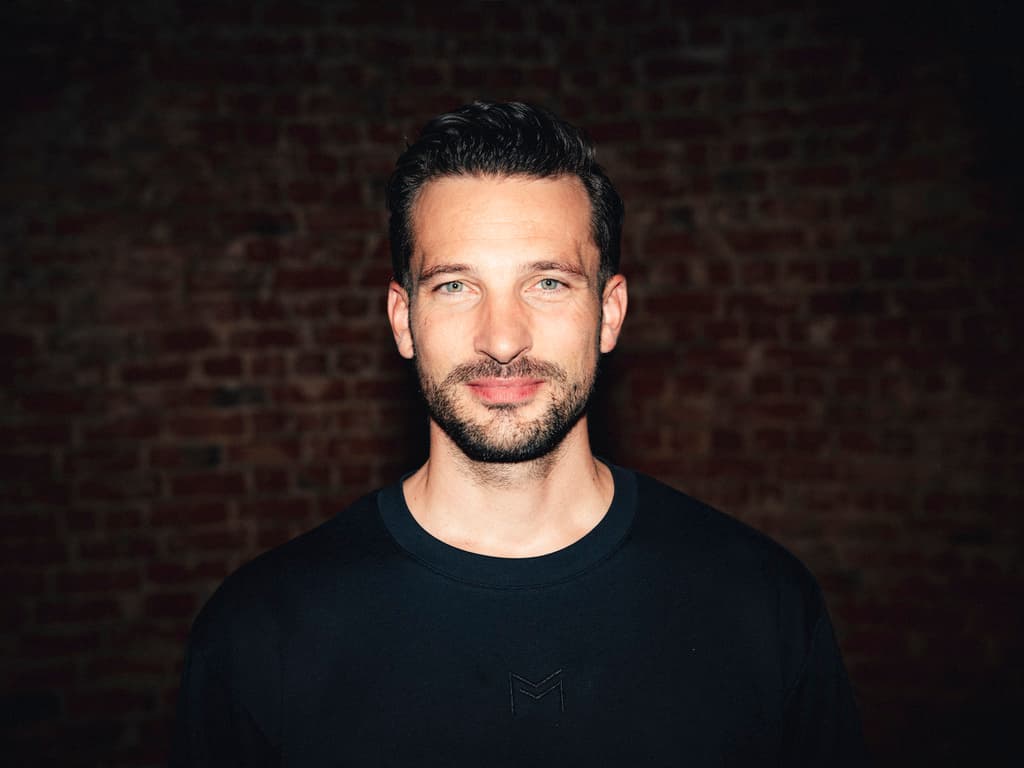 Yannick LambrechtSports osteopath · B.Sc. · Owner
 Lilith LaubeHeilpraktikerin (state-licensed non-medical practitioner), osteopath, physiotherapist · Owner
 Helena MetzeHead of Physiotherapy
 Leon KnochePhysiotherapist · B.Sc. (Hons.)
 Eleni HenryPhysiotherapist · B.Sc., M.Sc.
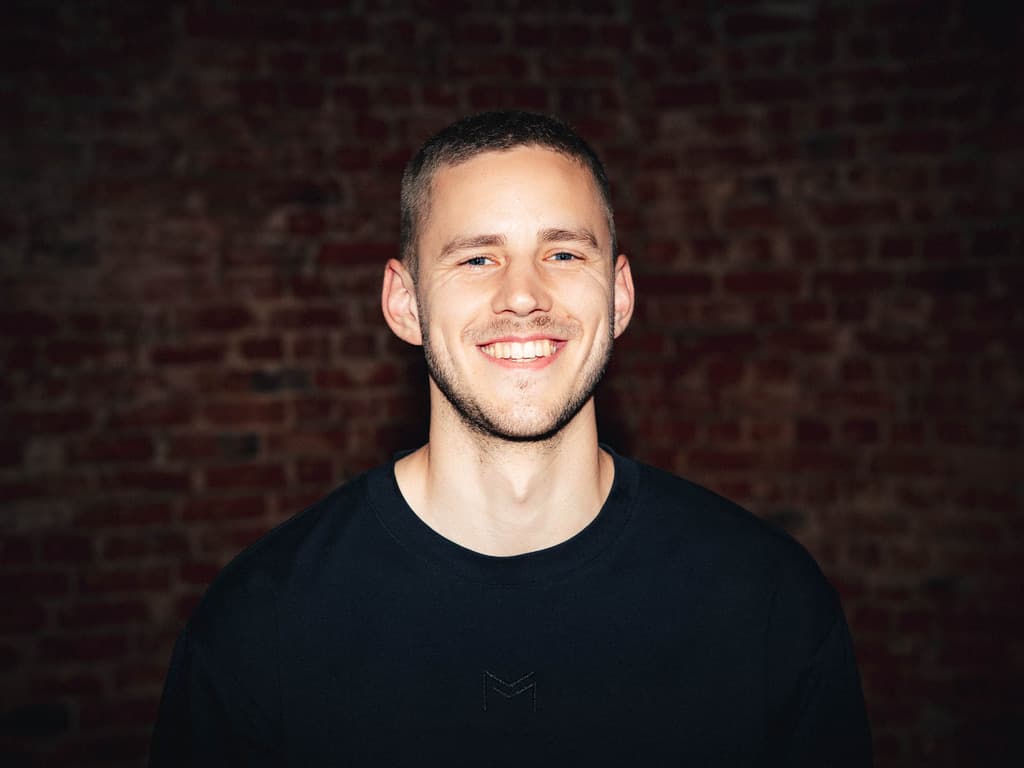 Luka WertzPhysiotherapist · B.Sc.
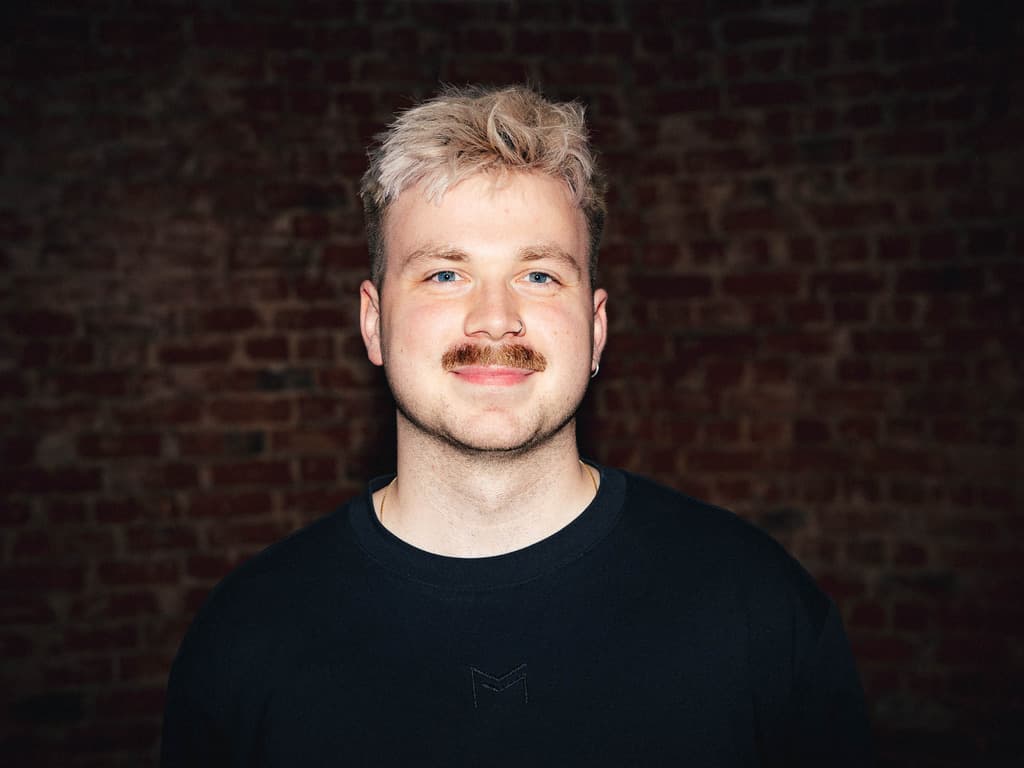 Nisse ThünePhysiotherapist, sports physiotherapist · B.Sc., M.Sc.
 Christin WisotzkiPhysiotherapist, yoga instructor