Tennis elbow needs more than rest.
What this is
Tennis elbow is usually a load problem of the tendons on the outside of the elbow. What matters is why the load has outgrown what the tissue can currently take. That is where we start.
More than the elbow
Through our years in international tennis and on the ATP Tour, elbow complaints have long been among the problems we examine and treat most often.
We never look at the elbow on its own, but always together with the forearm, shoulder, trunk, stroke and the actual load on court.
Why does it keep coming back?
A few weeks' rest can calm the pain.
What decides your return to the court, though, is whether the tendon can take enough load again.
So we check strength, movement quality, load management and the whole movement chain, and plan a targeted build-up from that.
What we look at
Our treatment
Treatment follows the findings and what the tissue can currently take.
At its centre is a targeted build-up of strength and capacity, because a tendon does not become resilient through rest but through the right load.
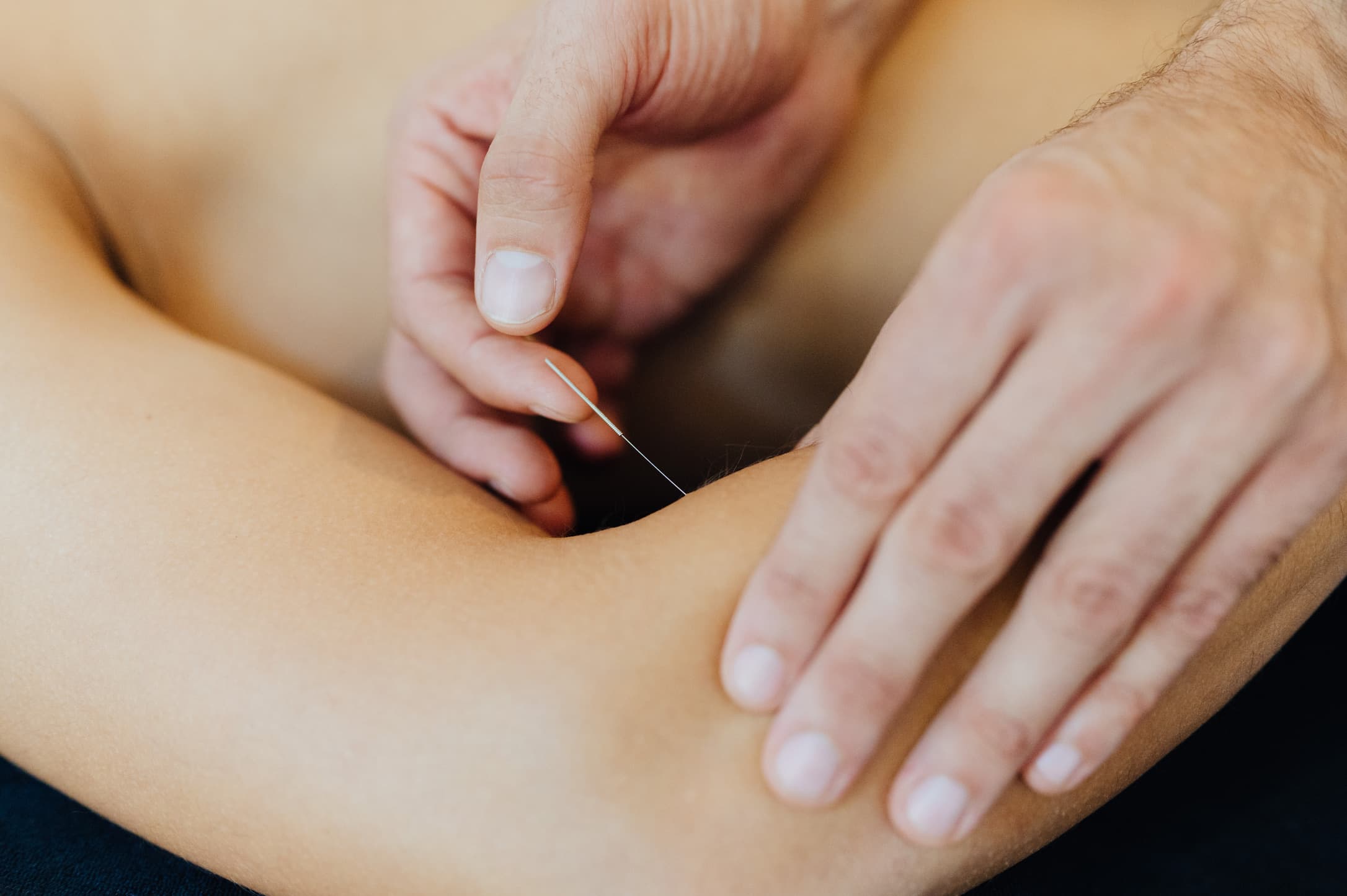
Depending on the situation, we add manual therapy, dry needling or shockwave therapy. What matters is that every measure sits within a clearly guided build-up of load.
Why FUNCTIONAL MED?
Tennis has been part of our everyday medical work for many years.
The ATP Tour regularly brings us into contact with elbow complaints under the highest loads.
We carry that knowledge over to every level of play, from Saturday mornings at the club to the international professional.
Questions about this
Frequently asked
What exactly is tennis elbow?
An irritation of the tendon attachments on the outside of the elbow, usually from repeated strain on the forearm muscles. The name is misleading: most of the people affected never play tennis. In tennis players the cause often sits not in the arm but in the stroke, the grip or missing rotation from the trunk.
Isn't rest enough?
Rest calms the pain but does not make the tendon more resilient. If you go straight back to full play after a few weeks off, you often meet the same tendon with less capacity than before. That is why we use measured load rather than complete rest.
Do I have to stop playing?
Usually not completely. Often you can keep playing in an adapted form: less volume, lower intensity, or certain strokes left out for now. How much is possible we decide together from your findings.
Do shockwave or dry needling help?
They can be useful tools to reduce pain and make the build-up easier. On their own they rarely solve the problem, because they do not build the tendon's capacity. So with us they are always part of a plan in which training plays the lead.
How long until I can play again?
That depends on how long you have had it and how much you play. Tendons adapt more slowly than muscle, so a structured build-up usually takes several weeks, and months for long-standing complaints. After the examination we give you a realistic estimate.
Related
What patients often look for here as well
Tennis
Yannick Lambrecht has worked as a physiotherapist on the ATP Tour since 2014. That work has grown into a focus of its own: tennis screening, injury prevention, shoulder and elbow rehabilitation, athletic training and the return to competition. For tournament players and for Saturday mornings at the club alike.
→ServiceAthletic training
Athletic training makes you more resilient, faster and more resistant to injury. It is built around the movement patterns of your sport, not around a machine, and it starts with an assessment, not an off-the-shelf plan.
→ServiceDry needling
Dry needling is a targeted treatment of tense muscle using very fine needles. Unlike acupuncture, it does not work along meridians but directly at the myofascial trigger point, the spot in the muscle that produces the pain. The needle releases the tension without any medication being used. That is exactly what "dry" means.
→ServiceShockwave therapy
In shockwave therapy, mechanical pressure waves are directed precisely into the tissue. It is used above all for stubborn tendon complaints and calcifications, usually over several sessions and always in combination with treatment and rebuilding, never as a stand-alone measure.
→TeamYannick Lambrecht
Sports osteopath in Hamburg, back pain specialist, dry needling therapist (IMES) and physiotherapist on the ATP Tour since 2014.
→TeamLeon Knoche
Modern, active physiotherapy with an eye on movement, load capacity and rehabilitation that lasts. He trained at the European School of Physiotherapy in Amsterdam.
→The team
All our therapists treat the full spectrum, physiotherapy, manual therapy, rehabilitation and medical training. So you can rely on being in good hands with every one of them.
See the whole team →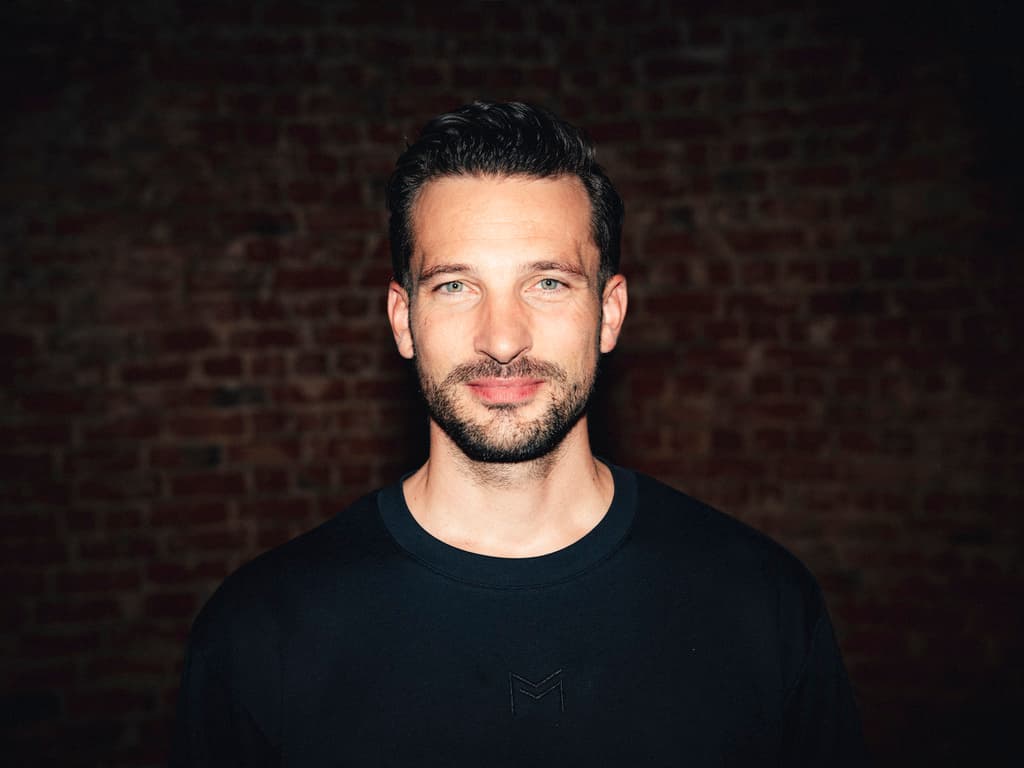 Yannick LambrechtSports osteopath · B.Sc. · Owner
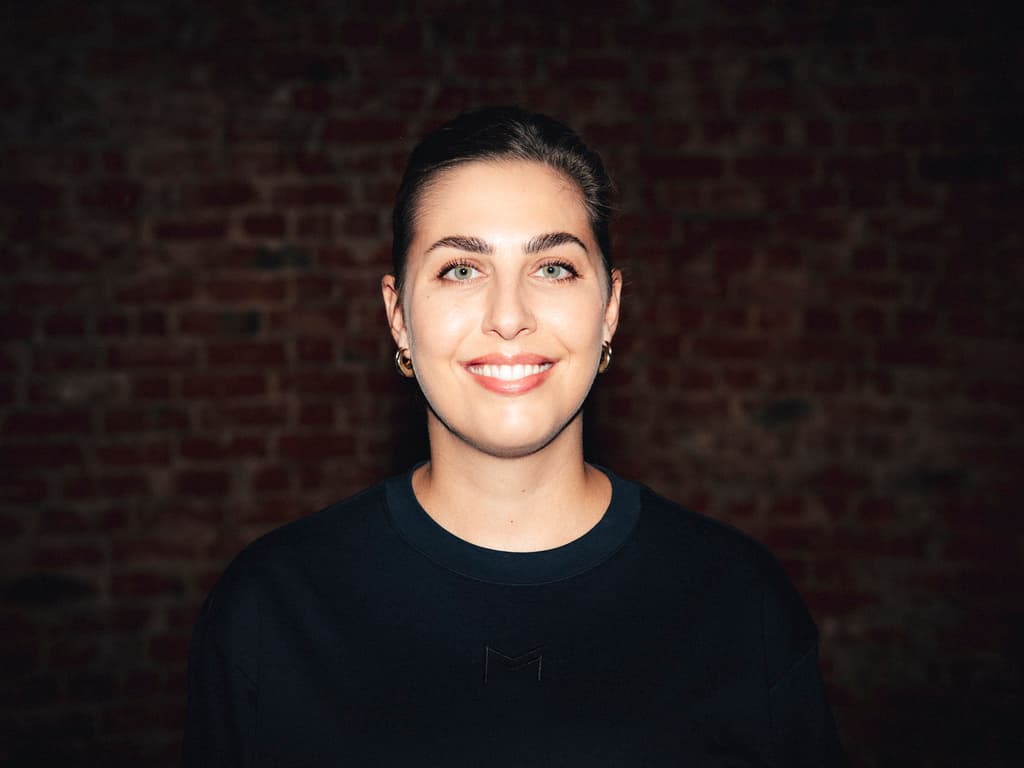 Lilith LaubeHeilpraktikerin (state-licensed non-medical practitioner), osteopath, physiotherapist · Owner
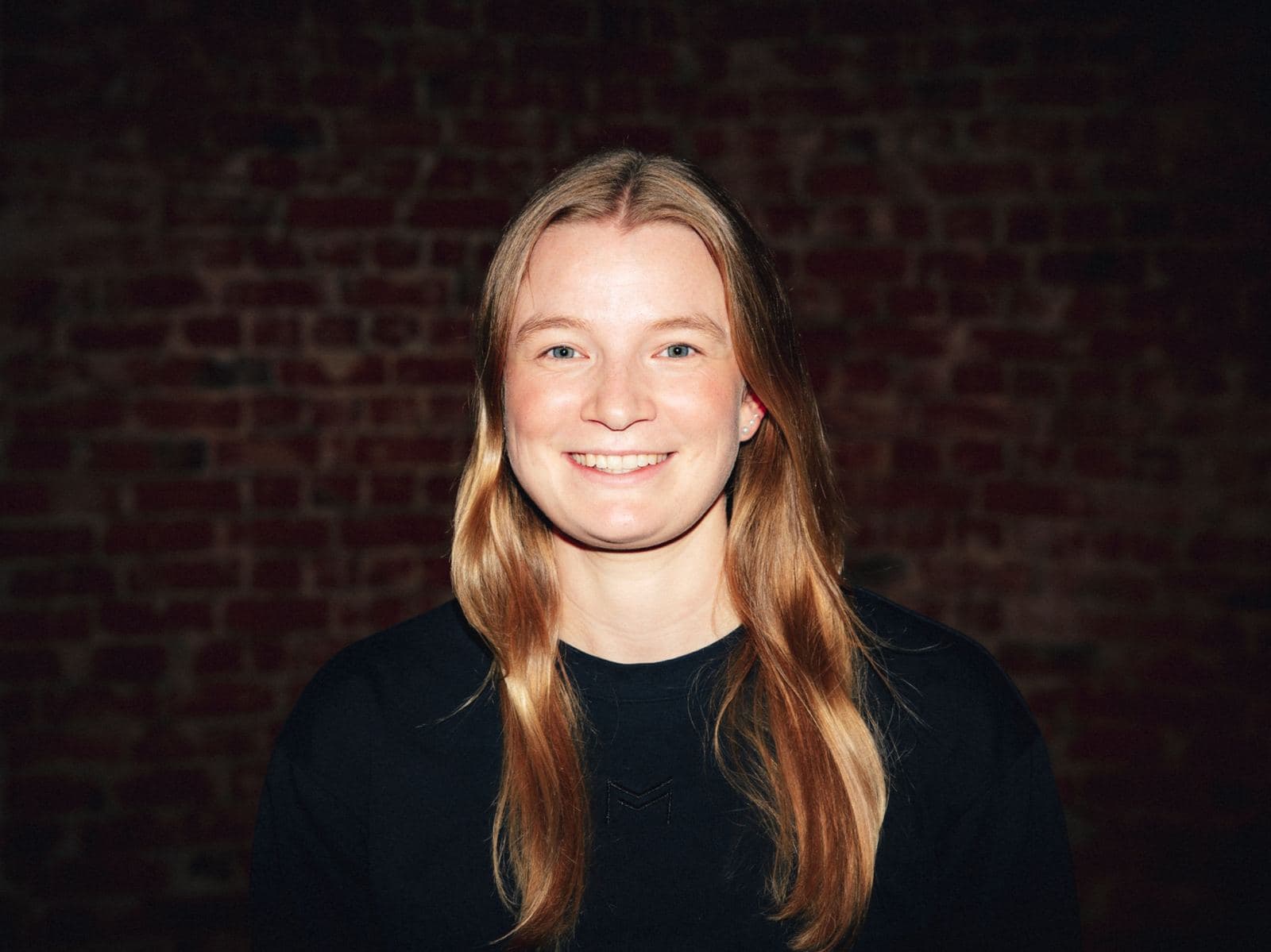 Helena MetzeHead of Physiotherapy
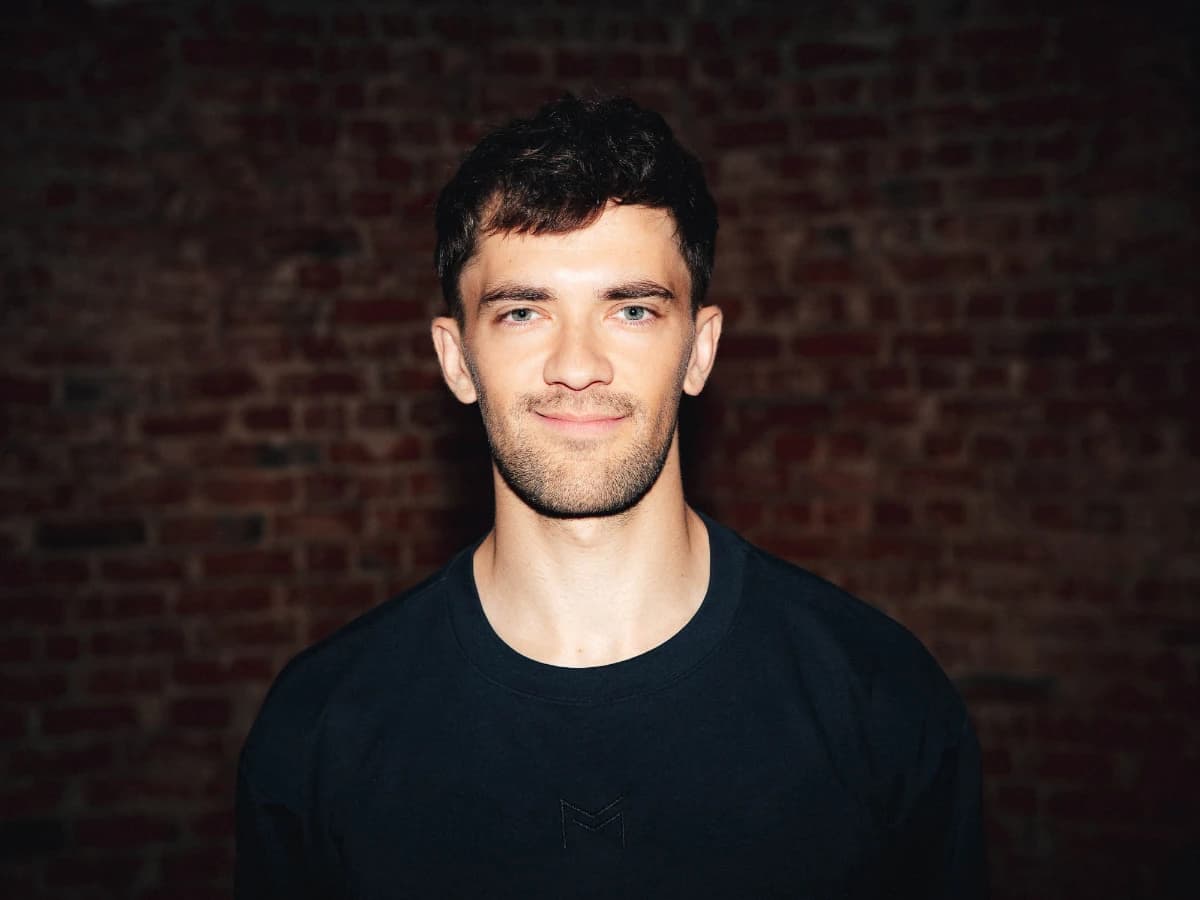 Leon KnochePhysiotherapist · B.Sc. (Hons.)
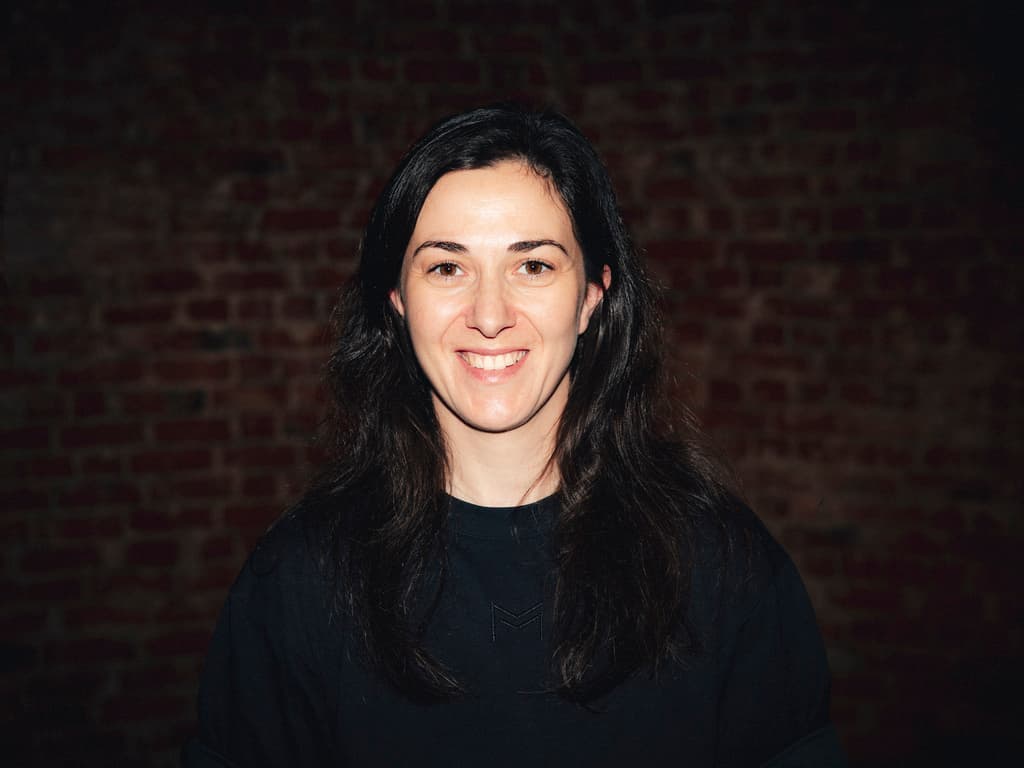 Eleni HenryPhysiotherapist · B.Sc., M.Sc.
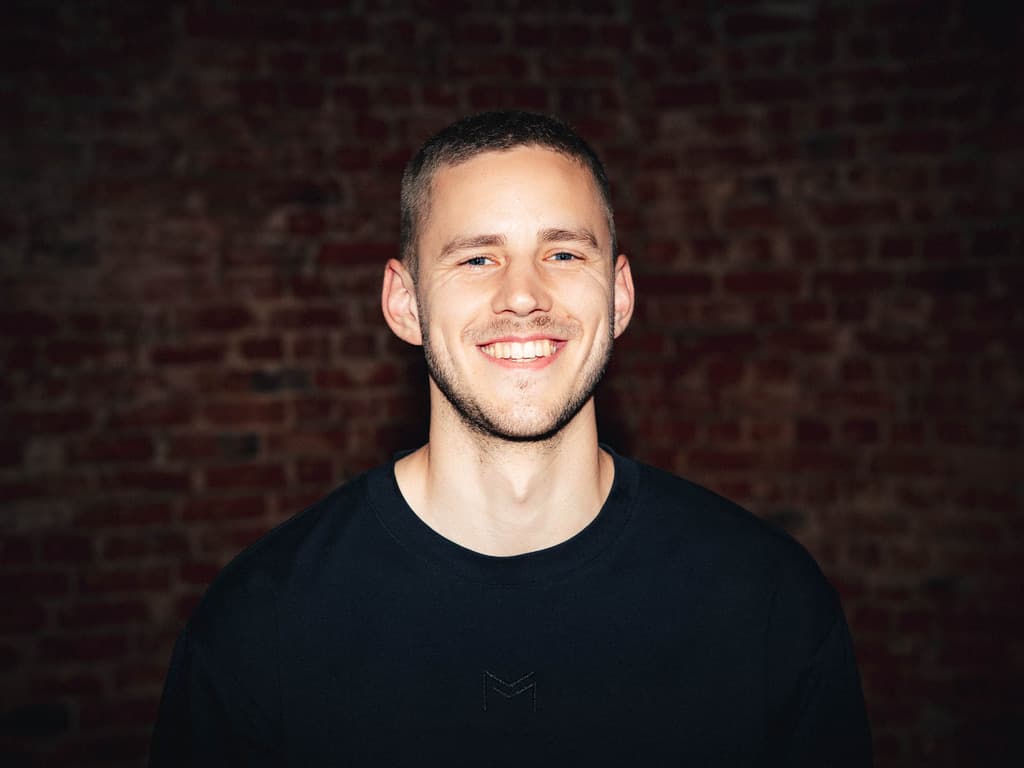 Luka WertzPhysiotherapist · B.Sc.
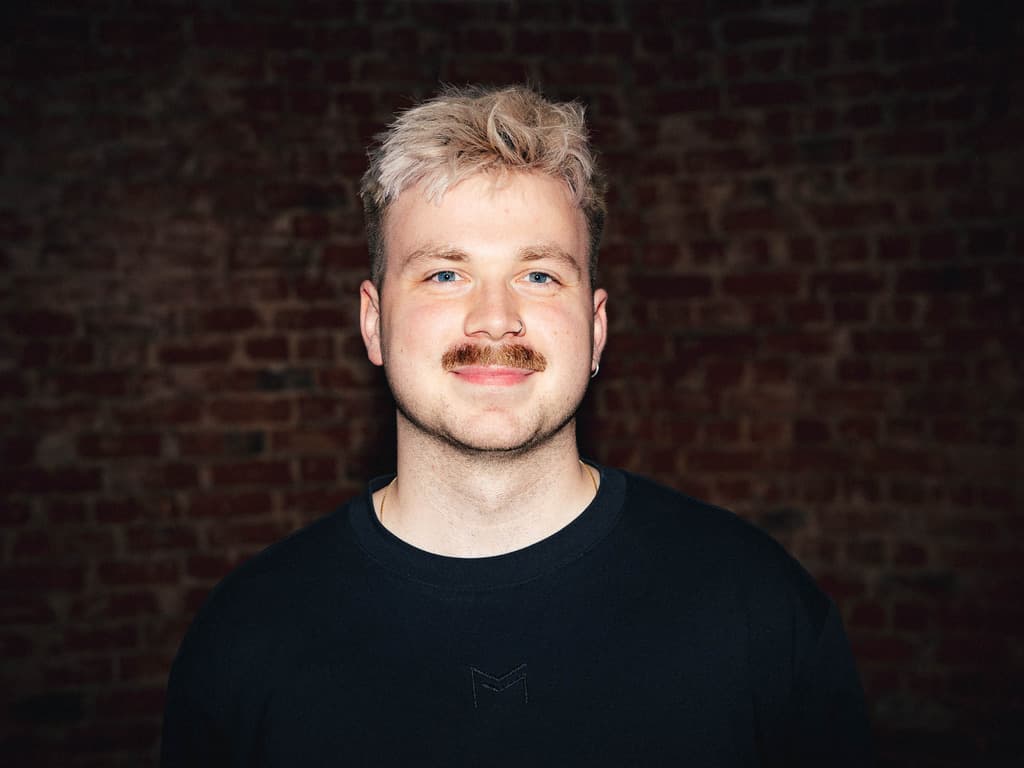 Nisse ThünePhysiotherapist, sports physiotherapist · B.Sc., M.Sc.
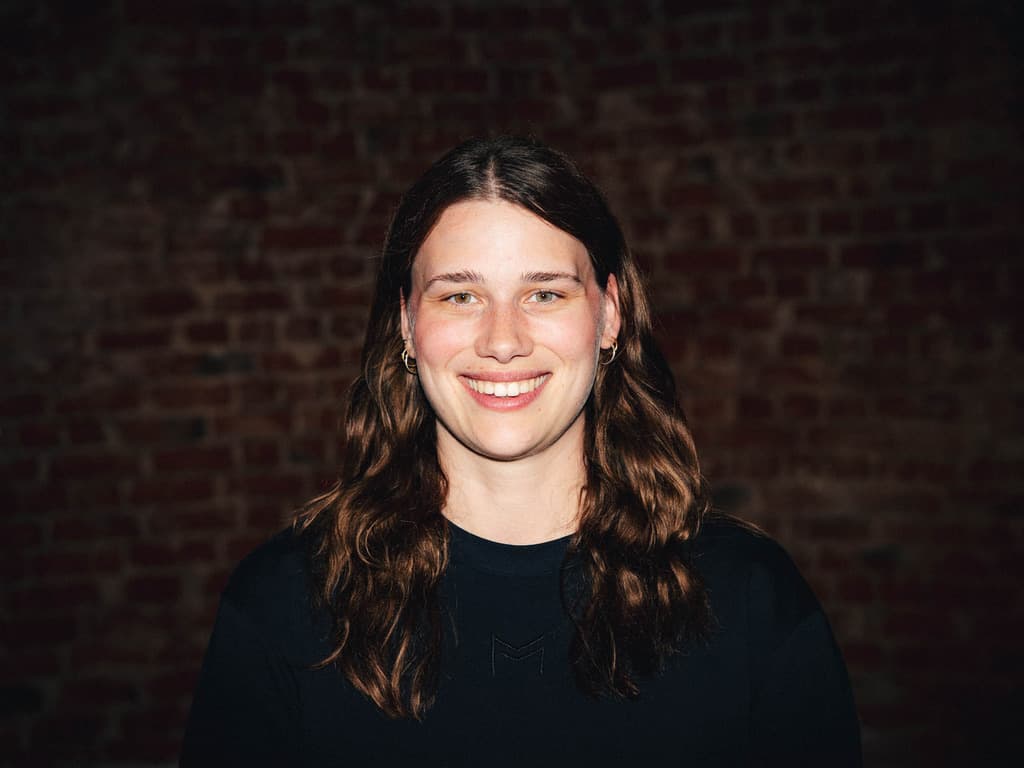 Christin WisotzkiPhysiotherapist, yoga instructor