Mobility and assisted stretching in Hamburg
What this is
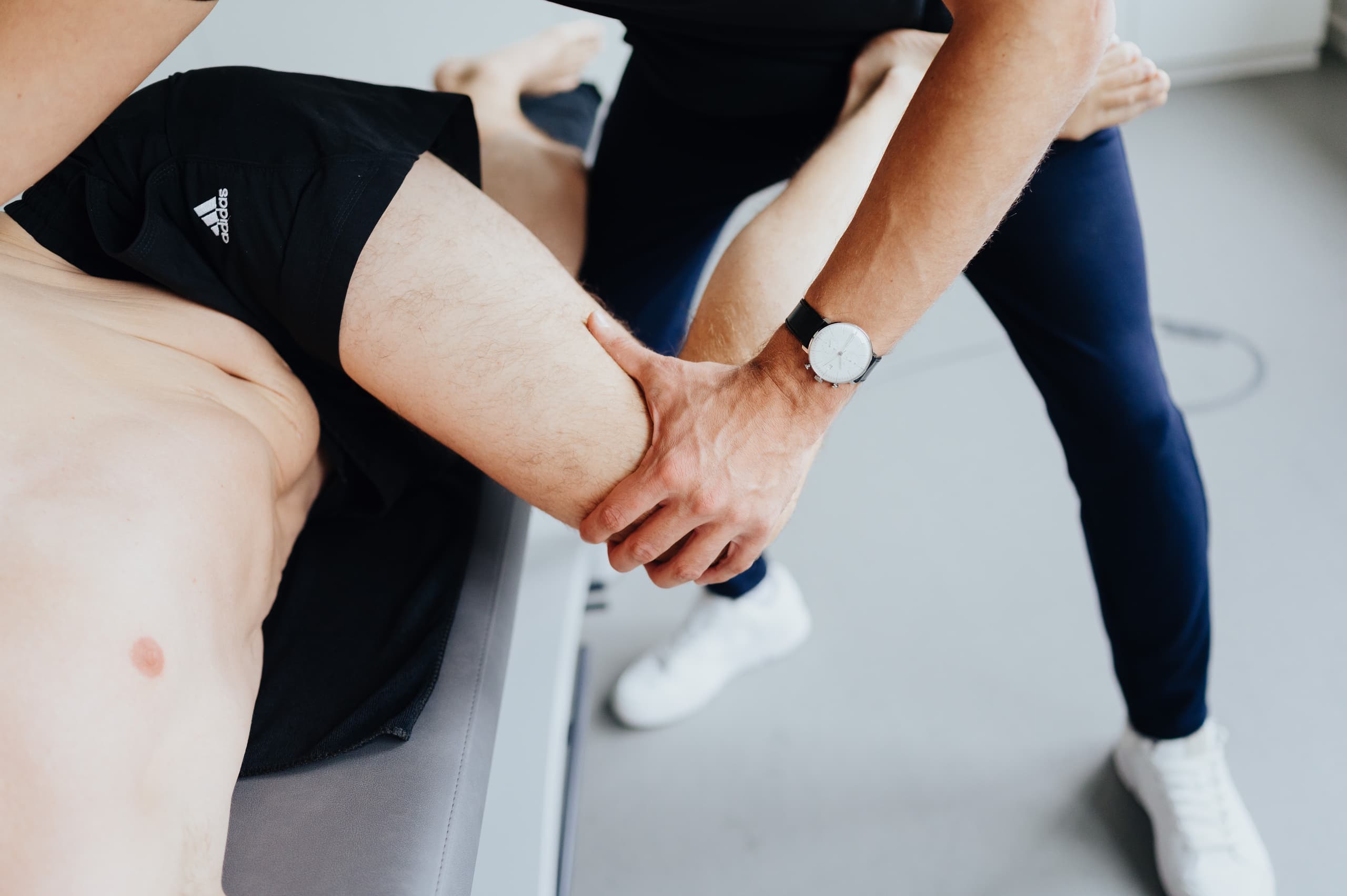
Our own assisted stretching concept brings together mobility, suppleness and recovery. Precisely guided stretches work on range of motion and tissue tension, and support recovery.
What it helps with
How it works
It starts with a short mobility check: where is range of motion missing, and is that down to the muscles, the joint or control?
Then we guide you through targeted stretches: passive, active-assisted and contract-relax techniques. Because we do the guiding, you can let go and reach positions that are hard to get to on your own.
At the end you get a few exercises to hold the new range in daily life and training.
Mobile and stable
Mobility on its own is not the goal.
Range you cannot control does little for your sport and can become a weak point in itself.
That is why we combine assisted stretching with active mobility work and strength at end range. That turns more mobility into usable mobility.
Methods
More services
What else belongs to Training & Performance
Athletic training
Strength, speed, explosiveness, changes of direction
→Training & PerformanceMedical training
Rebuilding after complaints and surgery
→Training & PerformanceBreathwork and breathing analysis
Breathing mechanics as part of movement
→Training & PerformancePrevention and physio check-up
Before something happens
→Questions about this service
Frequently asked
How is this different from stretching on my own?
In assisted stretching a therapist guides the stretch. You can let go completely while we control position, angle and intensity precisely. That gets you into ranges that are hard to reach alone, and it shows us where the movement is actually being limited.
Does stretching prevent injuries?
Not reliably on its own; the research does not support that. But mobility is a precondition for clean movement, and missing range forces other areas to compensate. That is why stretching does most when combined with strength and stability training.
Does assisted stretching hurt?
No. A stretch can be clearly noticeable, but it should not hurt. We adjust the intensity with you as we go, and you can say at any time if it is too much.
How often should I come?
For a noticeable change, regular appointments over a few weeks make sense, alongside exercises at home. Athletes also use assisted stretching specifically for recovery after intense training or competition phases.
Related
What patients often look for here as well
Prevention and physio check-up
What applies to your car applies to your body: check it regularly, before something gives out. The FUNCTIONAL MED Screen looks at mobility, strength and movement quality and shows where targeted work makes sense.
→ServiceAthletic training
Athletic training makes you more resilient, faster and more resistant to injury. It is built around the movement patterns of your sport, not around a machine, and it starts with an assessment, not an off-the-shelf plan.
→ServiceBFR and compression
BFR stands for blood flow restriction: training with very light loads while venous return is restricted in a controlled way.
→ServiceBreathing analysis and breathwork
We breathe around 20,000 times a day, and every breath affects movement, tension and regulation. We analyse individual breathing patterns and train more efficient breathing mechanics.
→TeamChristin Wisotzki
Combines professional depth with real empathy, and brings experience from looking after athletes in elite sport.
→Assisted stretching, book with no obligation.
The team
All our therapists treat the full spectrum, physiotherapy, manual therapy, rehabilitation and medical training. So you can rely on being in good hands with every one of them.
See the whole team →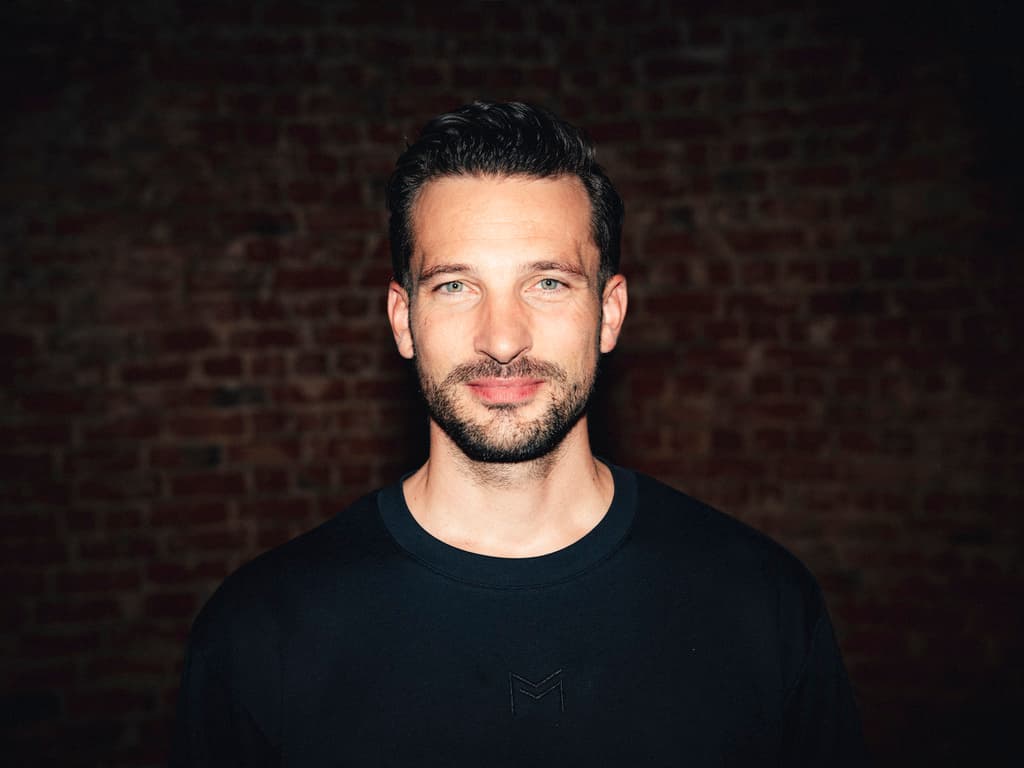 Yannick LambrechtSports osteopath · B.Sc. · Owner
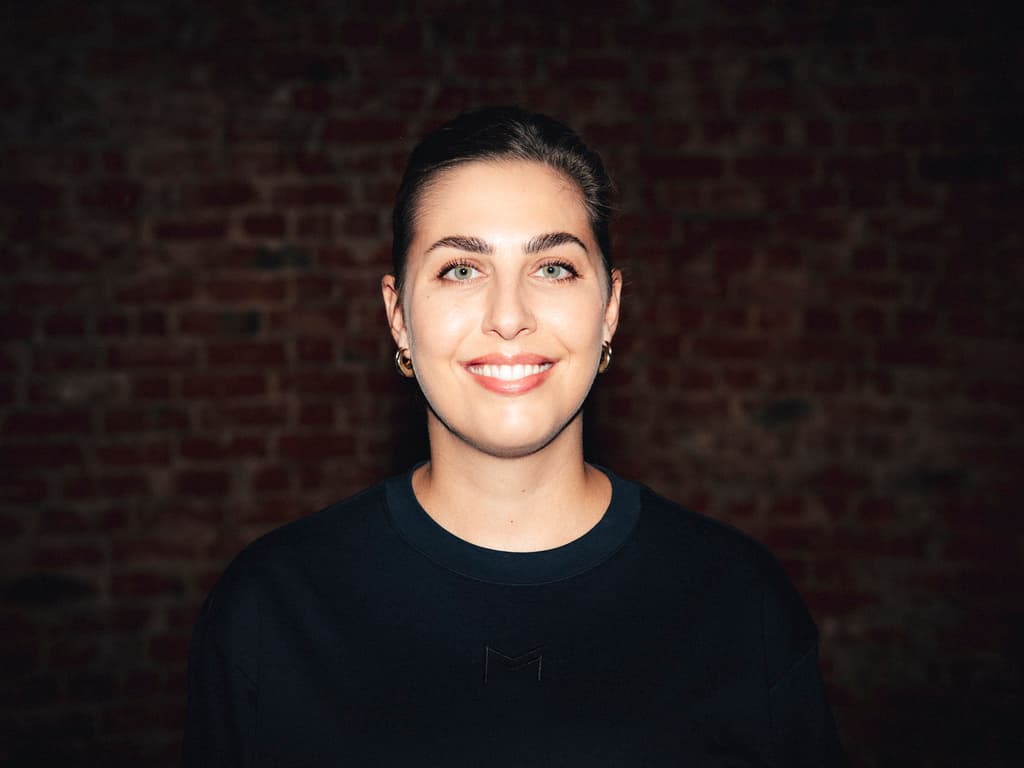 Lilith LaubeHeilpraktikerin (state-licensed non-medical practitioner), osteopath, physiotherapist · Owner
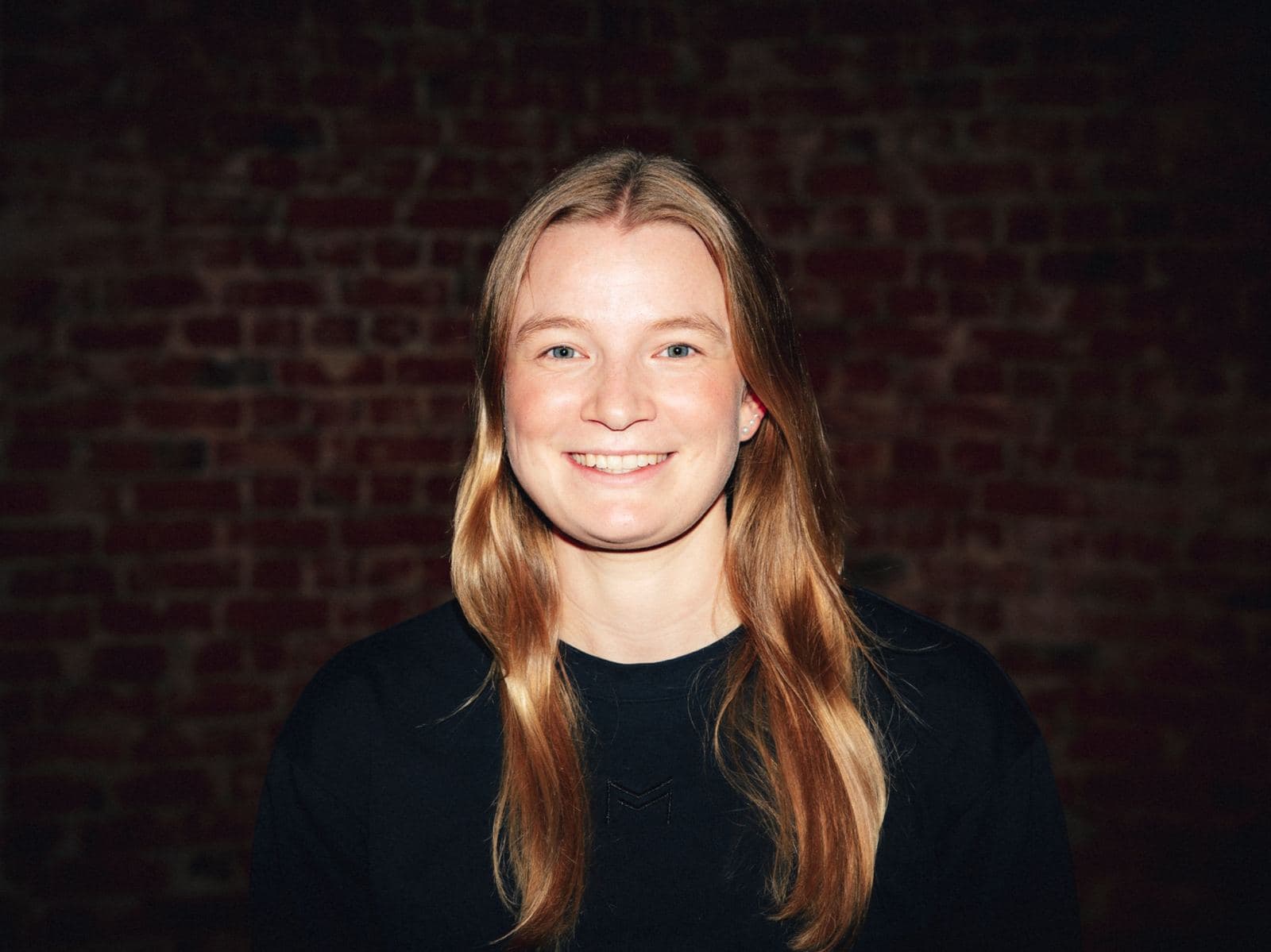 Helena MetzeHead of Physiotherapy
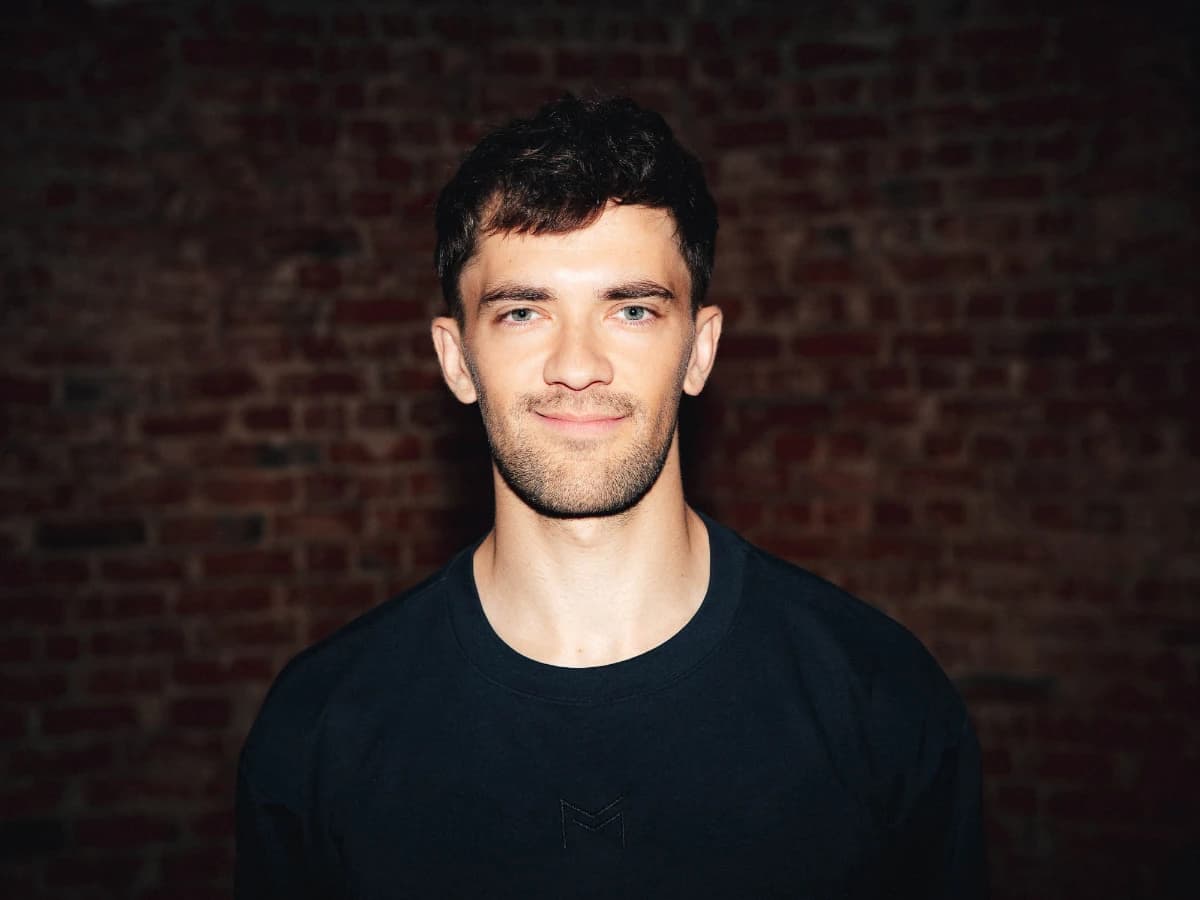 Leon KnochePhysiotherapist · B.Sc. (Hons.)
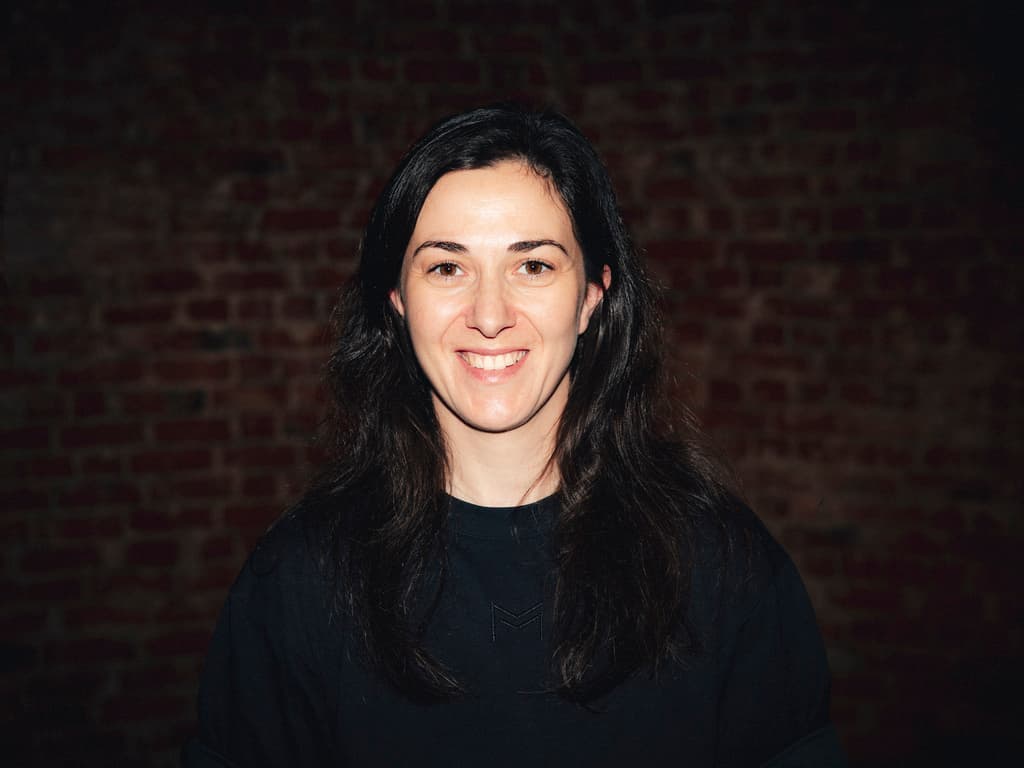 Eleni HenryPhysiotherapist · B.Sc., M.Sc.
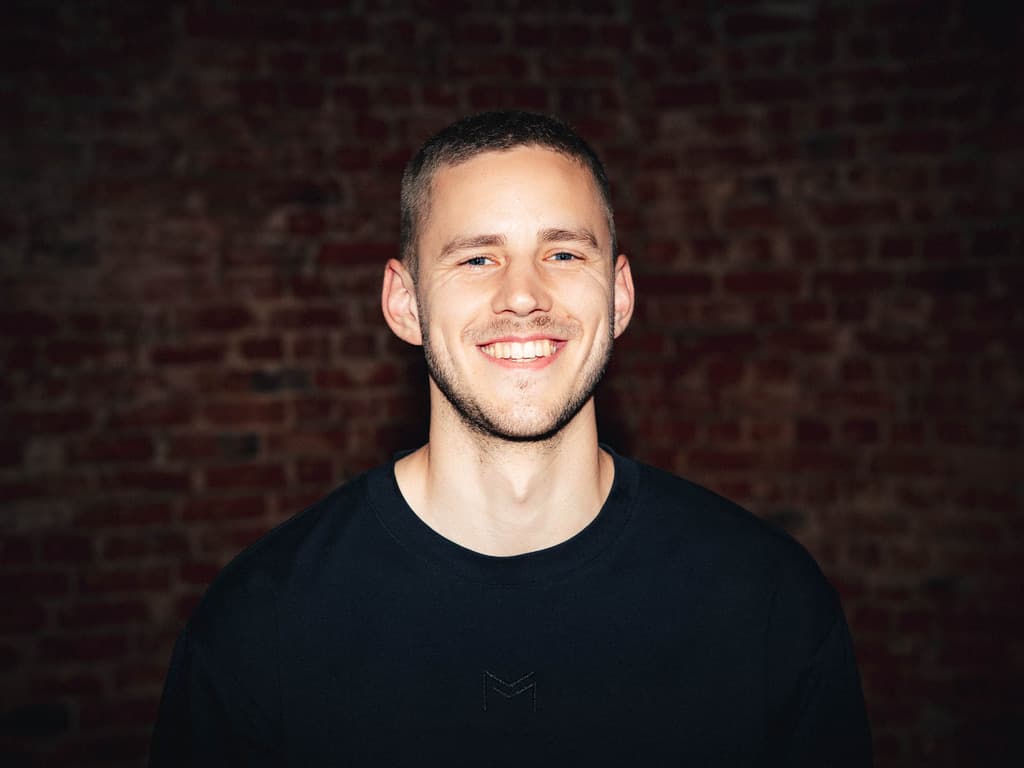 Luka WertzPhysiotherapist · B.Sc.
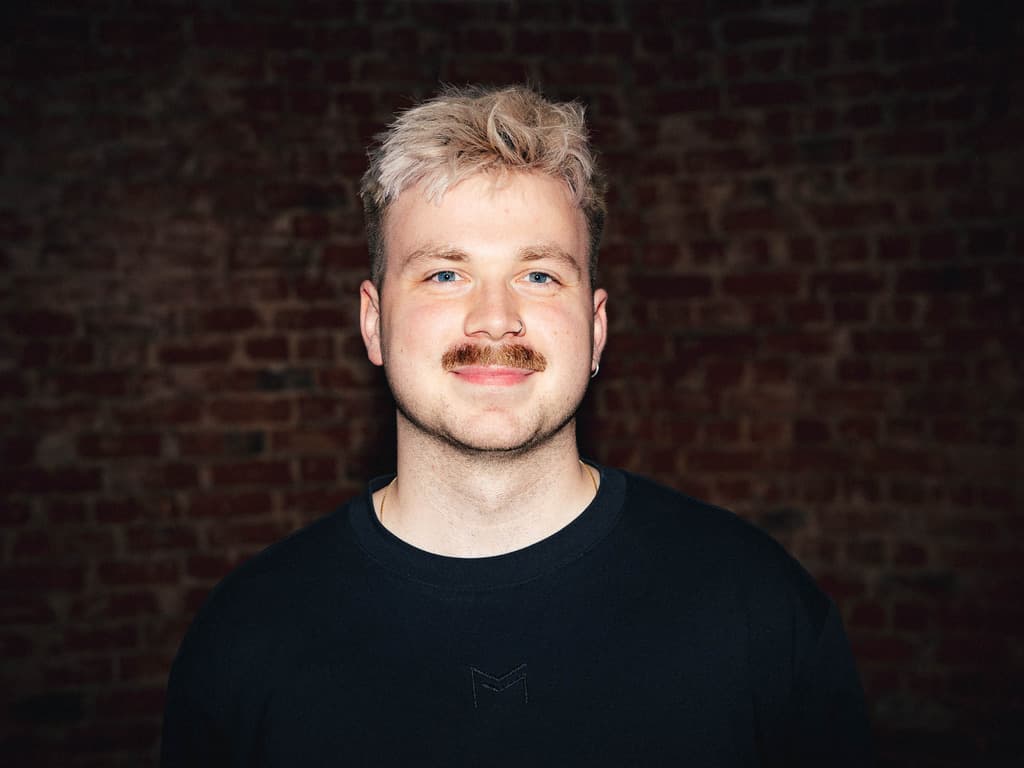 Nisse ThünePhysiotherapist, sports physiotherapist · B.Sc., M.Sc.
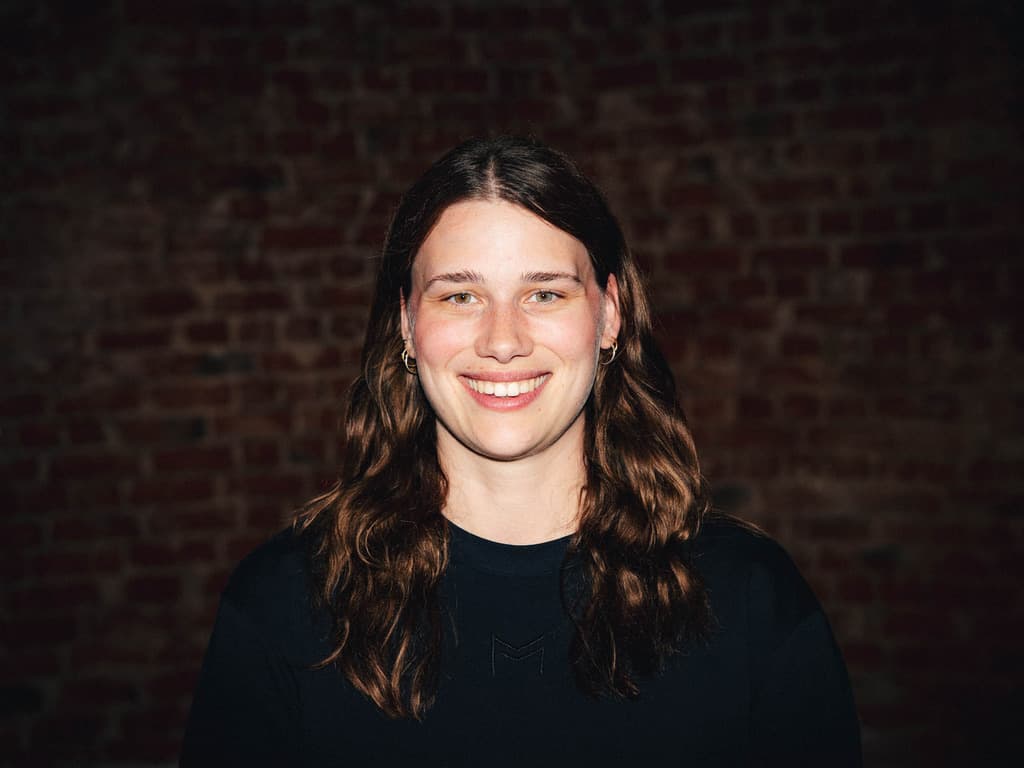 Christin WisotzkiPhysiotherapist, yoga instructor