Breathing analysis and breathwork in Hamburg
What this is
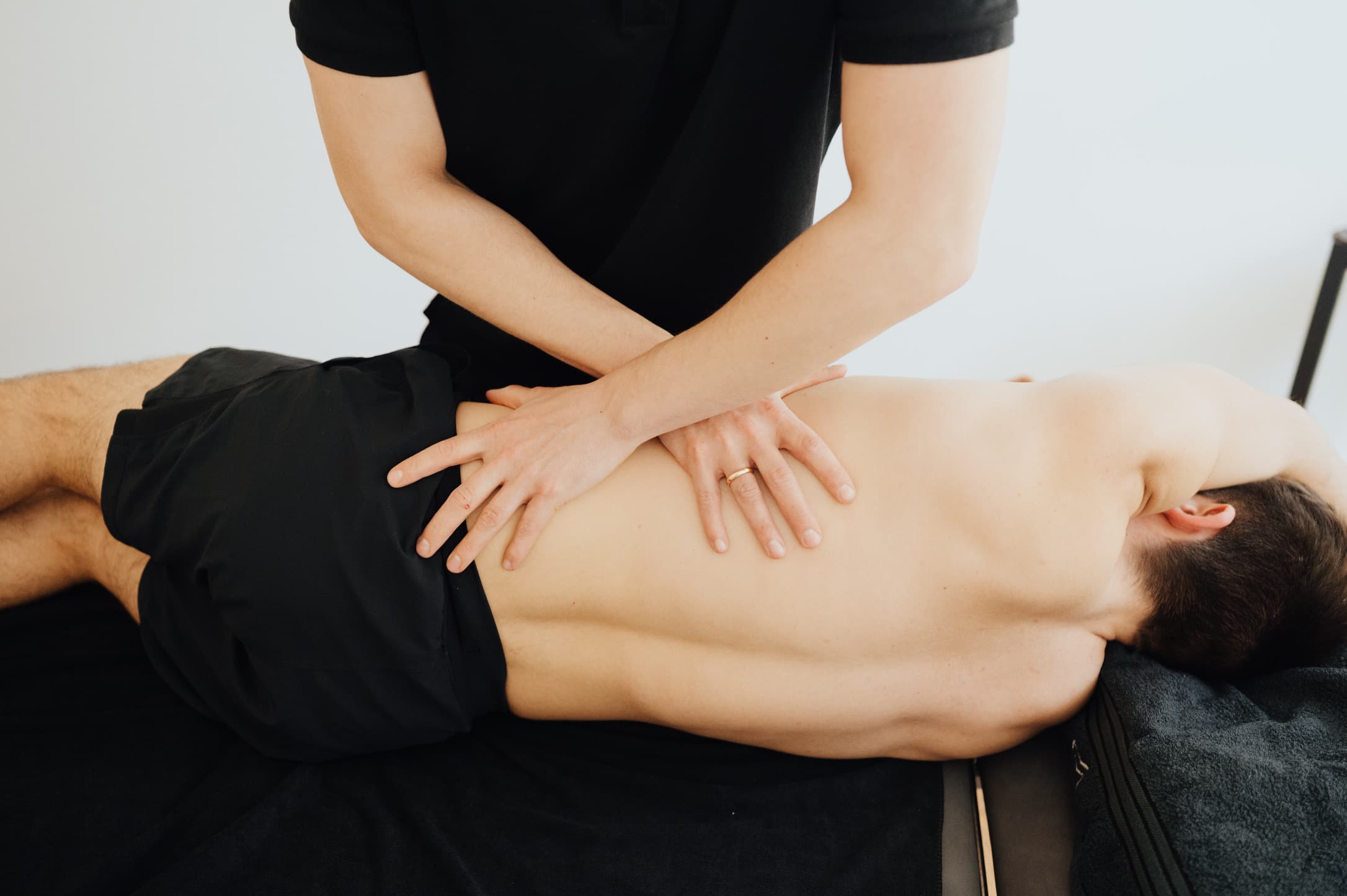
We breathe around 20,000 times a day, and every breath affects movement, tension and regulation. We analyse individual breathing patterns and train more efficient breathing mechanics.
What it helps with
How it works
First we look at how you breathe: at rest, in movement and under load.
Where does the ribcage move, is the diaphragm doing its share, and are the neck and shoulders taking on work that belongs elsewhere? We add hands-on findings at the ribs and thoracic spine.
From that comes a programme of manual treatment and targeted breathing exercises, which we carry step by step into training and sport.
Breathing is movement
The diaphragm is not only our main breathing muscle but also part of trunk stability.
If you breathe shallow and high, you lose stability in the middle, and the neck, shoulders and lower back make up for it.
That is why, with us, breathing belongs in therapy and training rather than in a relaxation class. This is not wellness. It is mechanics.
Methods
More services
What else belongs to Training & Performance
Athletic training
Strength, speed, explosiveness, changes of direction
→Training & PerformanceMedical training
Rebuilding after complaints and surgery
→Training & PerformancePrevention and physio check-up
Before something happens
→Training & PerformanceMobility and assisted stretching
Guided mobility work
→Questions about this service
Frequently asked
Who is breathwork for?
For anyone whose complaints are tied to tension, posture or trunk stability, often neck and back complaints that respond only briefly to standard therapy. And for athletes who want to breathe more efficiently under load and recover faster.
Is this a relaxation technique?
Not primarily. Calmer breathing can help regulate tension, but the focus is on mechanics: how the ribcage, diaphragm and trunk work together. So we combine breathing exercises with manual treatment and training.
How many appointments will I need?
A few appointments are usually enough to understand your breathing pattern and learn the basics. What happens in between is what counts: you get short exercises for home, which we then build step by step into movement and training.
Does breathwork help with asthma or breathlessness?
Breathlessness belongs in a doctor's hands first. Once medical causes have been ruled out, or a condition such as asthma is well controlled, breathing training can be a useful complement. It does not replace diagnosis or medication.
Related
What patients often look for here as well
Medical training
Training based on findings. You do not train to a standard plan but to what the examination showed, and always supervised by someone who knows why this exercise is the right one right now.
→ServiceManual therapy
Manual therapy examines and treats dysfunction of the joints and the spine. With mobilisation, targeted handling and, where indicated, brief impulse techniques. The familiar click is a side effect, not the goal.
→ServiceOsteopathy
Osteopathy treats the body as one connected system. Instead of treating only the painful spot, it looks for restrictions in movement that cause complaints elsewhere. Examination and treatment are done exclusively with the hands.
→ServiceAthletic training
Athletic training makes you more resilient, faster and more resistant to injury. It is built around the movement patterns of your sport, not around a machine, and it starts with an assessment, not an off-the-shelf plan.
→TeamChristin Wisotzki
Combines professional depth with real empathy, and brings experience from looking after athletes in elite sport.
→Breathing analysis, book with no obligation.
The team
All our therapists treat the full spectrum, physiotherapy, manual therapy, rehabilitation and medical training. So you can rely on being in good hands with every one of them.
See the whole team →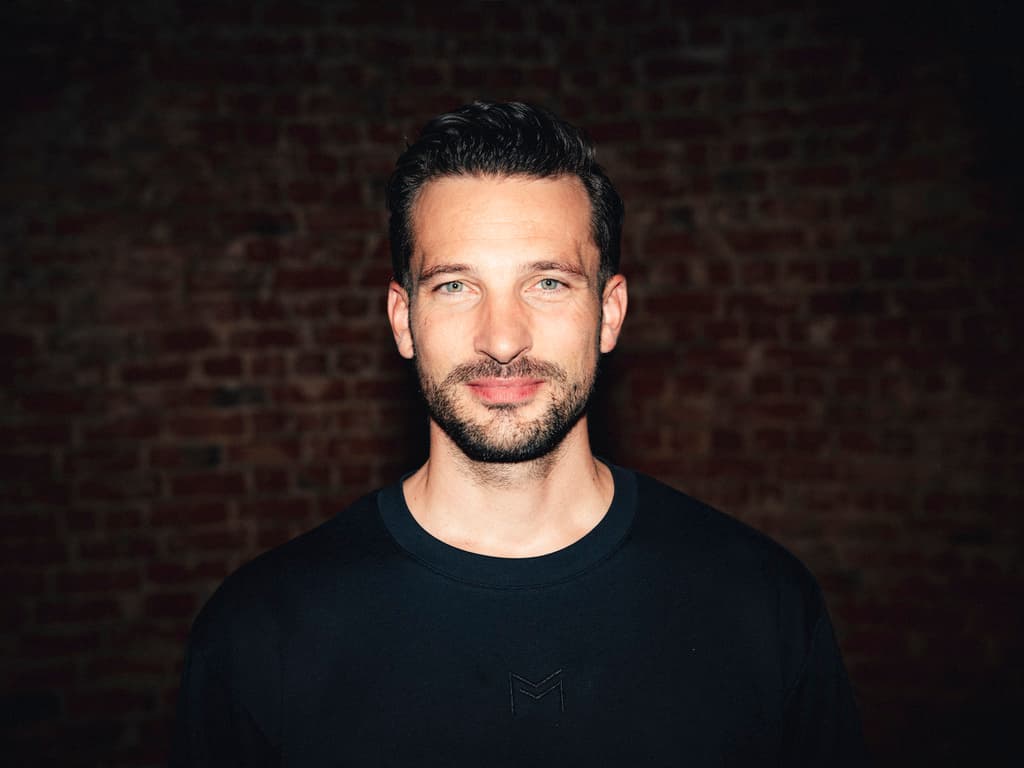 Yannick LambrechtSports osteopath · B.Sc. · Owner
 Lilith LaubeHeilpraktikerin (state-licensed non-medical practitioner), osteopath, physiotherapist · Owner
 Helena MetzeHead of Physiotherapy
 Leon KnochePhysiotherapist · B.Sc. (Hons.)
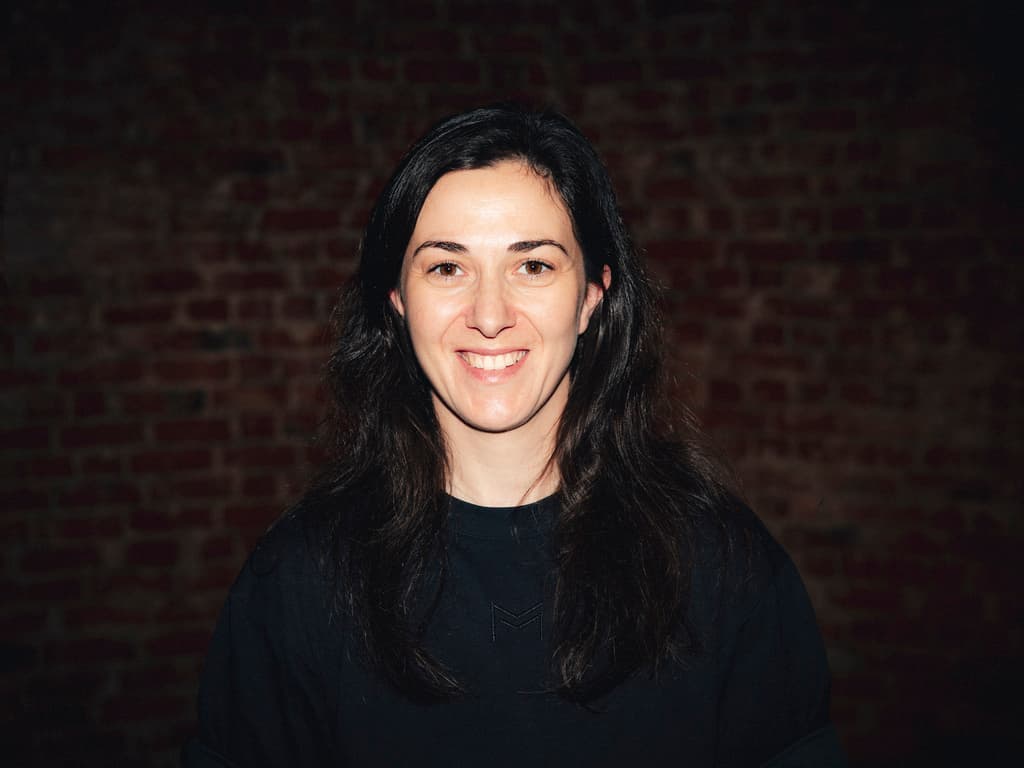 Eleni HenryPhysiotherapist · B.Sc., M.Sc.
 Luka WertzPhysiotherapist · B.Sc.
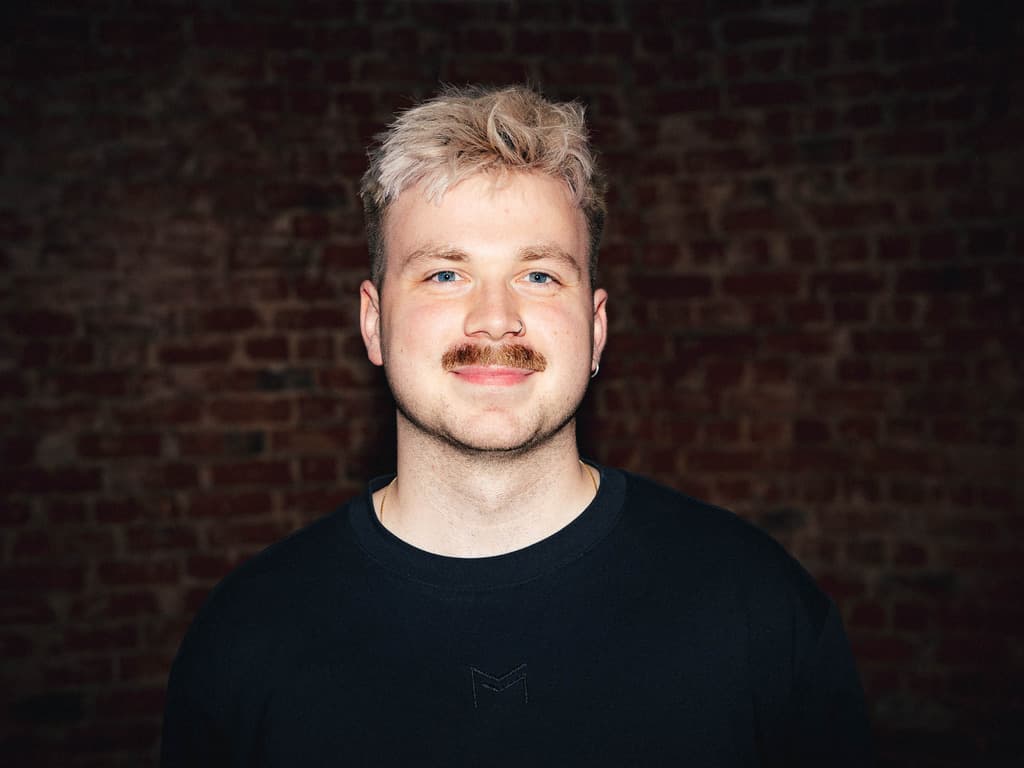 Nisse ThünePhysiotherapist, sports physiotherapist · B.Sc., M.Sc.
 Christin WisotzkiPhysiotherapist, yoga instructor