Fascia and trigger point therapy in Hamburg
What this is
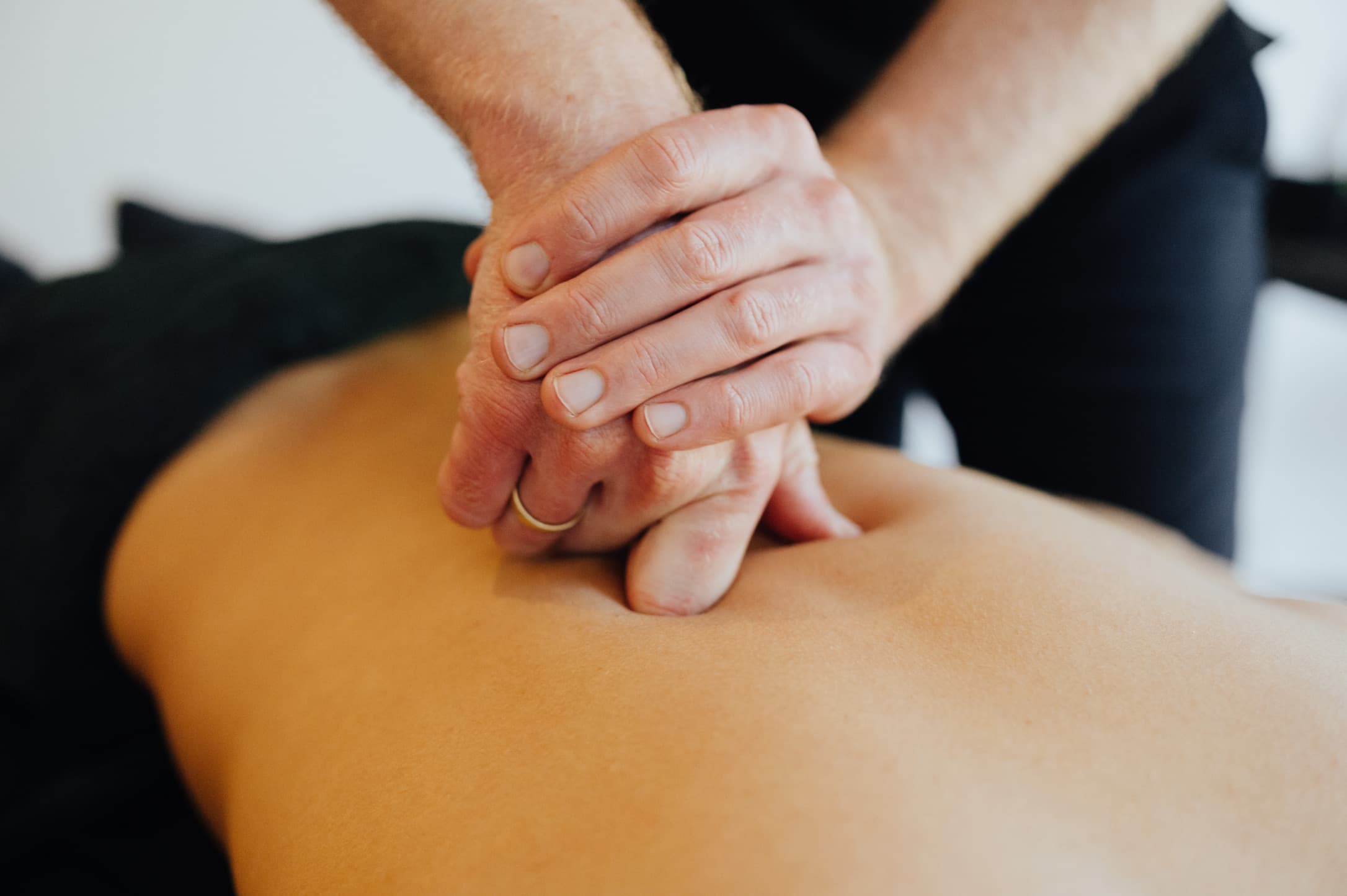
Fascia forms a connected network throughout the body. Changes in tissue tension and myofascial trigger points can restrict movement and cause pain. Depending on the findings, we use precise manual techniques or dry needling to regulate that tension and restore function.
What it helps with
How it works
It starts with the examination: where exactly the pain sits, which movement brings it on, and which region is working for another.
Only then do we choose the technique: targeted pressure on the trigger point, soft-tissue work along the fascial lines, or dry needling where the findings call for it. Some techniques are briefly intense, so we adjust the pressure with you as we go.
Afterwards we show you how to hold the effect with a few exercises. Without active rebuilding, the tension usually comes back.
The Fascial Distortion Model (FDM)
FDM goes back to the American emergency physician Stephen Typaldos. It classifies complaints by how patients describe and show them.
Whether you point to one spot with a finger or trace a line with your hand already says something about the kind of problem, and specific manual techniques follow from that.
Research on the model is still young. That is why we use FDM as one building block among several, not in place of examination and training.
Methods
More services
What else belongs to Therapy
Manual therapy and manual medicine
Joints and spine
→TherapyPrivate physiotherapy
Individual treatment of acute and chronic complaints
→TherapySports physiotherapy
Care for recreational, competitive and professional sport
→TherapyDry needling and IMES
Targeted treatment of myofascial complaints
→TherapySports osteopathy
Osteopathic work under athletic load
→TherapyOsteopathy
Whole-body functional examination and treatment
→TherapyChiropractic
Targeted impulses to the spine and joints
→TherapySports massage
Muscle work for training and competition
→Questions about this service
Frequently asked
Does fascia therapy hurt?
Some of it, briefly. Pressure on an active trigger point and certain FDM techniques can be intense, often right where you feel the pain yourself. We adjust the pressure with you as we go. Afterwards the area can feel worked for a day or two, much like after a hard training session.
How is this different from a massage?
A massage works broadly and aims to relax. Fascia and trigger point therapy works precisely where the examination found something, as part of a plan with a clear goal. That is why it often helps where massage brought only brief relief.
How many treatments will I need?
That depends on the findings. With acute tension a change is often noticeable after the first session. For complaints that have been there longer, we plan several appointments and combine the treatment with manual therapy and training. On its own it rarely lasts.
Are there reasons not to do it?
Yes, for example blood-thinning medication, clotting disorders, thrombosis, acute inflammation or infection, and fresh injuries or skin conditions in the treatment area. We ask about these before the first treatment.
Related
What patients often look for here as well
Dry needling
Dry needling is a targeted treatment of tense muscle using very fine needles. Unlike acupuncture, it does not work along meridians but directly at the myofascial trigger point, the spot in the muscle that produces the pain. The needle releases the tension without any medication being used. That is exactly what "dry" means.
→ServiceManual therapy
Manual therapy examines and treats dysfunction of the joints and the spine. With mobilisation, targeted handling and, where indicated, brief impulse techniques. The familiar click is a side effect, not the goal.
→ClinicBack clinic
Back pain needs clarity first. We examine precisely, put joints, muscles, discs, movement and load into context, and then take you through therapy with a clear plan. For complex cases we draw on a strong network of doctors in Hamburg, across Germany and internationally.
→ServiceMedical training
Training based on findings. You do not train to a standard plan but to what the examination showed, and always supervised by someone who knows why this exercise is the right one right now.
→TeamYannick Lambrecht
Sports osteopath in Hamburg, back pain specialist, dry needling therapist (IMES) and physiotherapist on the ATP Tour since 2014.
→Fascia therapy, book with no obligation.
The team
All our therapists treat the full spectrum, physiotherapy, manual therapy, rehabilitation and medical training. So you can rely on being in good hands with every one of them.
See the whole team →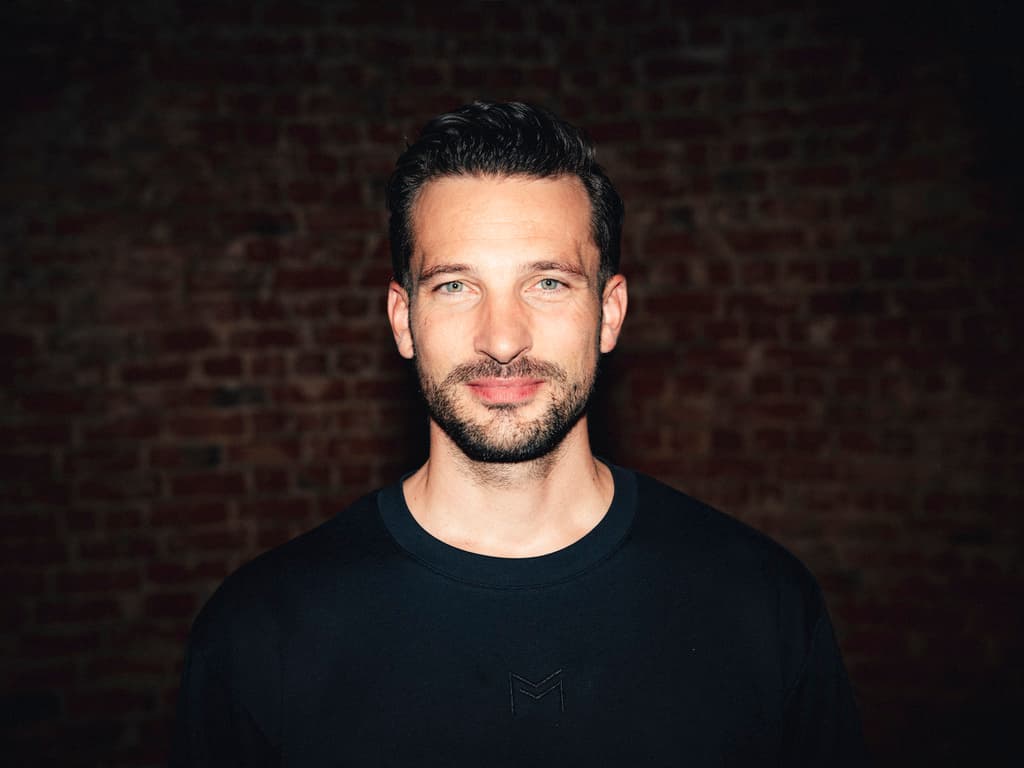 Yannick LambrechtSports osteopath · B.Sc. · Owner
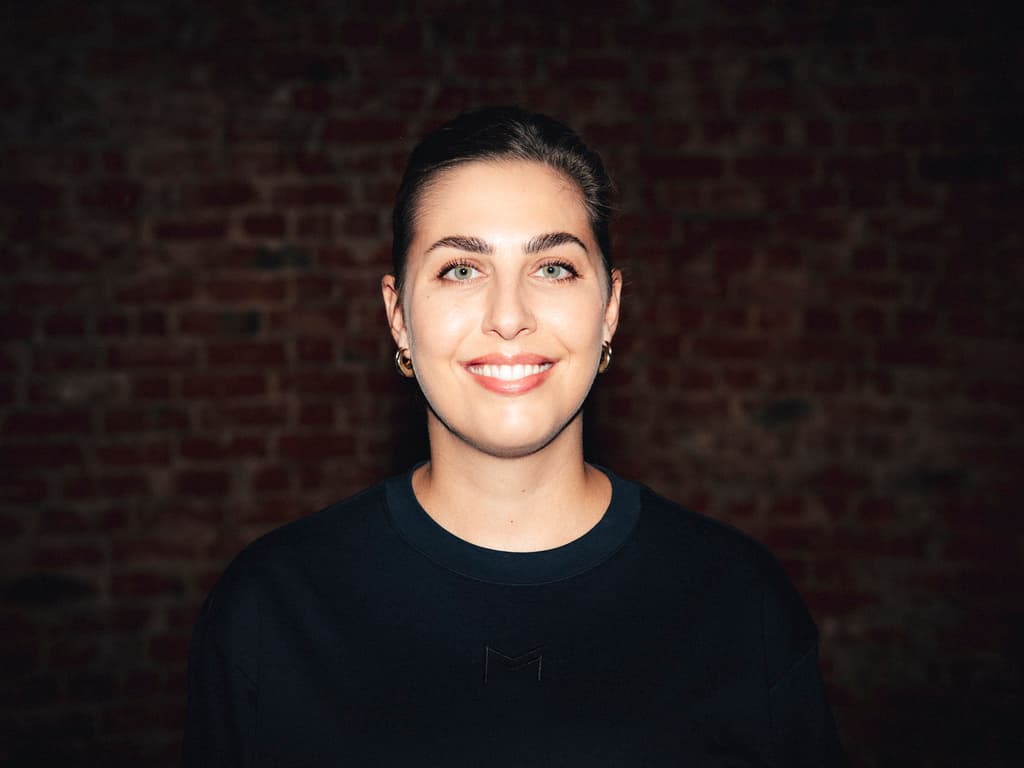 Lilith LaubeHeilpraktikerin (state-licensed non-medical practitioner), osteopath, physiotherapist · Owner
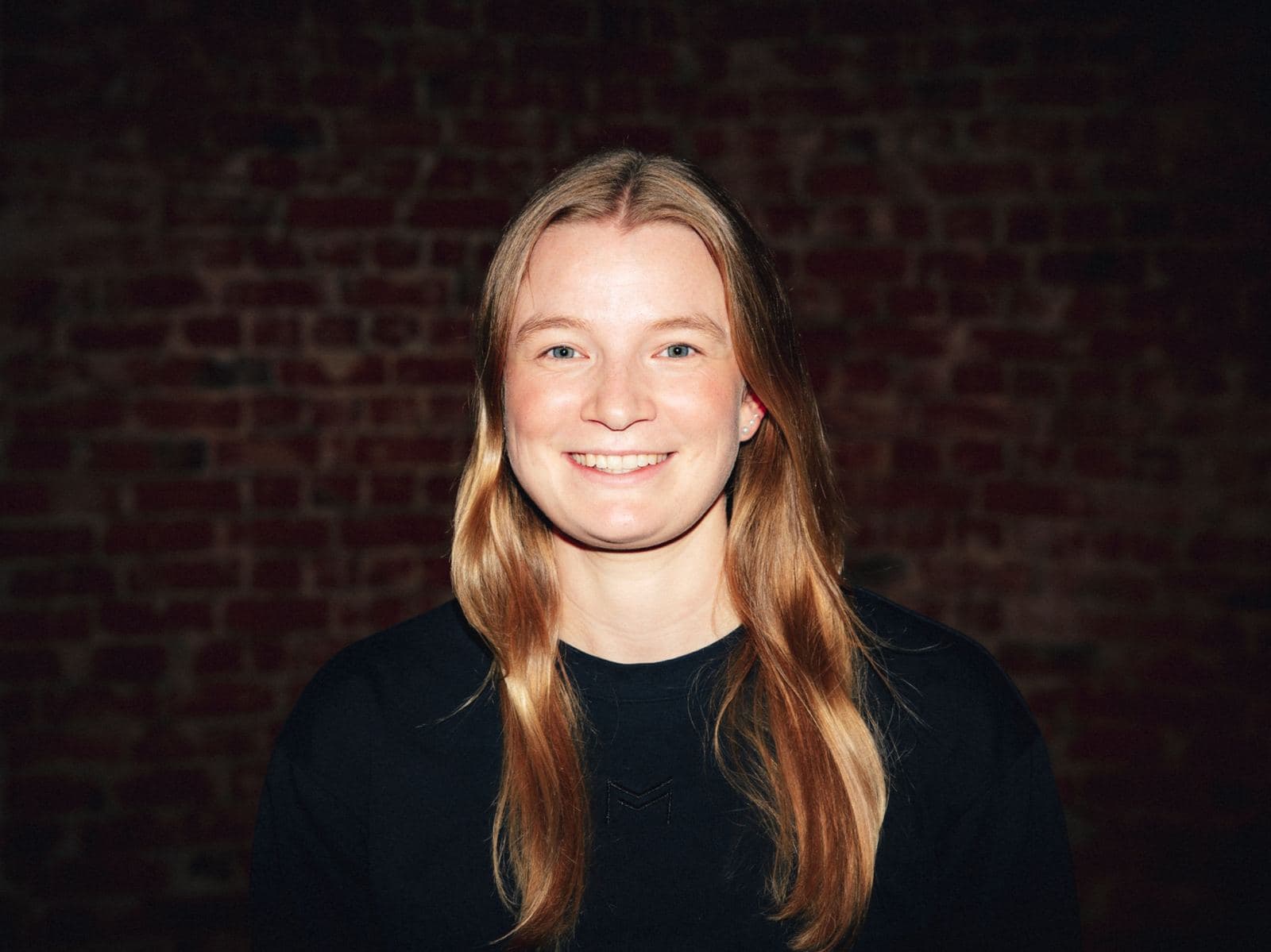 Helena MetzeHead of Physiotherapy
 Leon KnochePhysiotherapist · B.Sc. (Hons.)
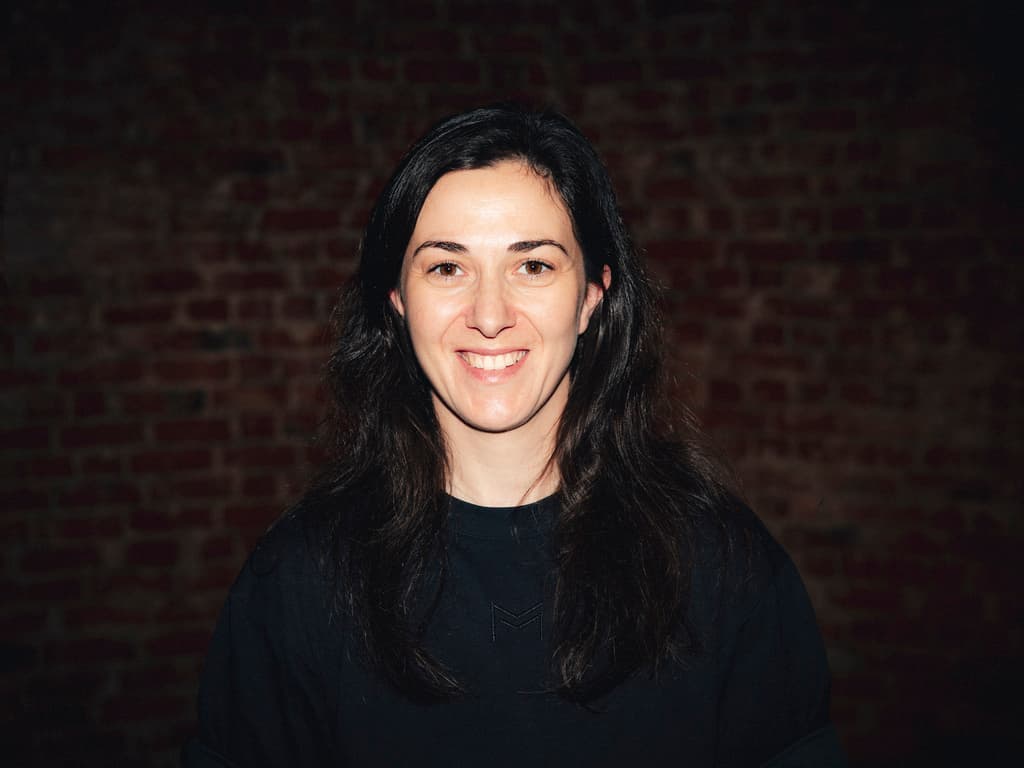 Eleni HenryPhysiotherapist · B.Sc., M.Sc.
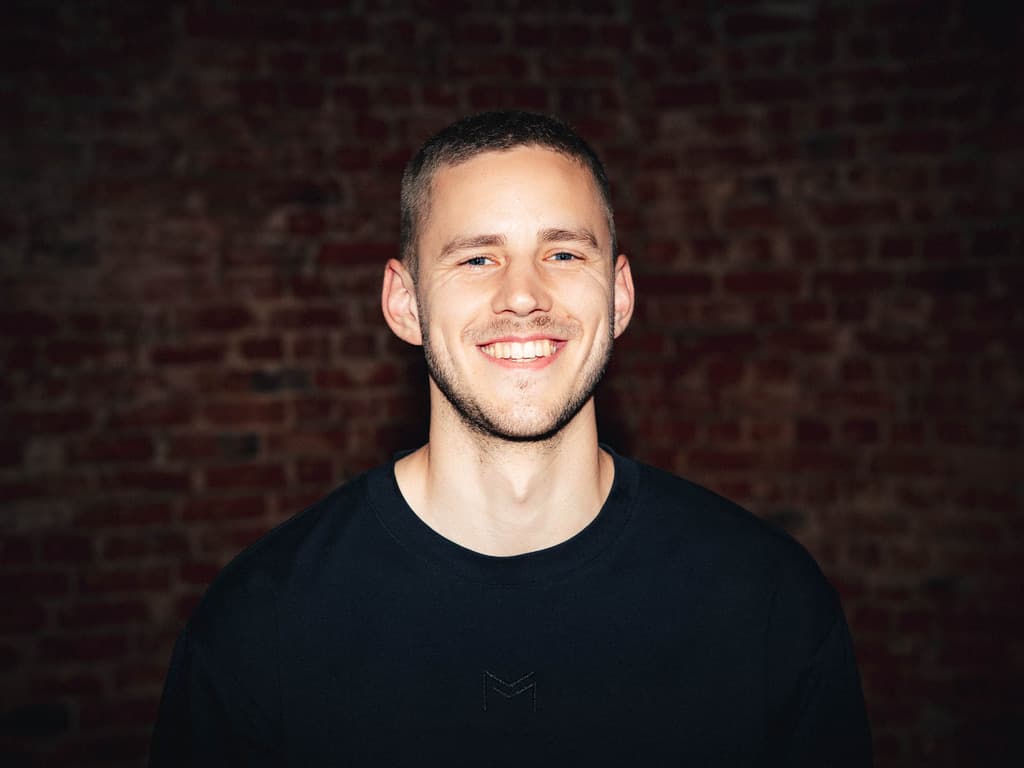 Luka WertzPhysiotherapist · B.Sc.
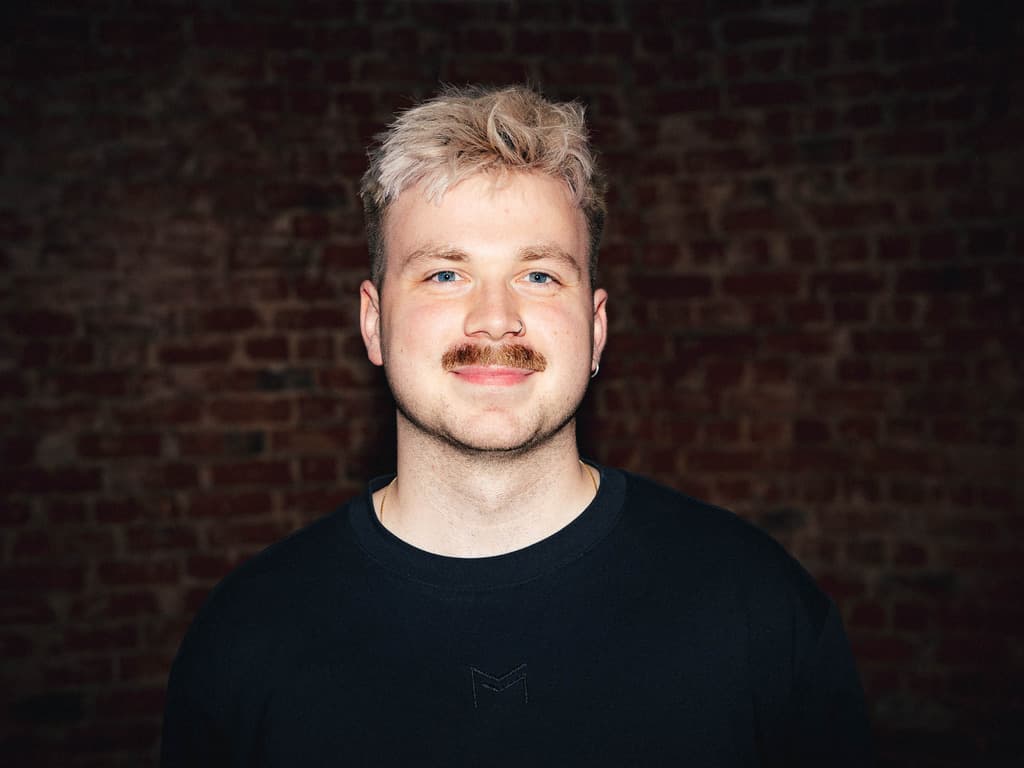 Nisse ThünePhysiotherapist, sports physiotherapist · B.Sc., M.Sc.
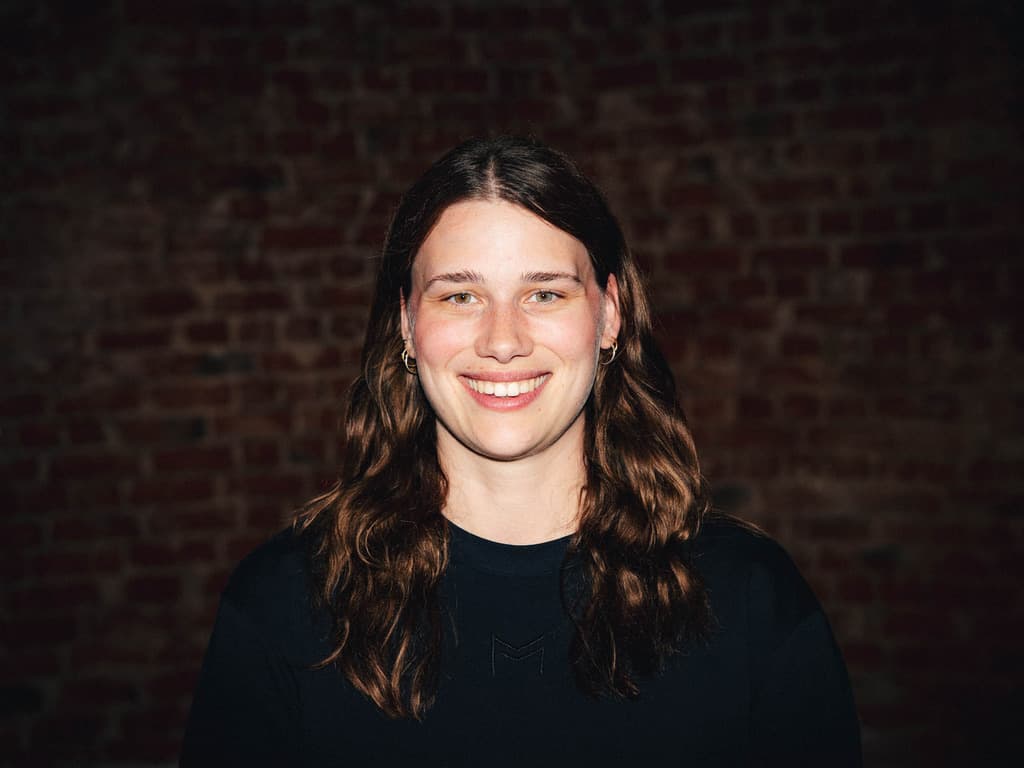 Christin WisotzkiPhysiotherapist, yoga instructor